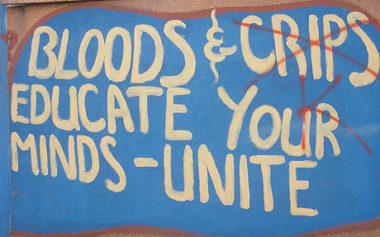
 Cowboys in hanging out in Compton—it’s not exactly a common idea. But believe it or not, cowboys have an extensive history not just in California, but in a city that’s most notorious for its gang violence.
In fact, the Richland Farms area of Compton is still zoned agricultural, and a smidgen of the Old West lifestyle not only remains but reigns.
“We have about 400 homes and probably a couple of hundred horses, chickens, goats, lamas, all kinds of things,” Mayisha Akbar, who moved there in the 1980s, told NPR.
Akbar, a real estate broker, is the founder of Compton Jr. Posse, a non-profit that focuses uplifting kids in the area through contact with horses. Part of the reason she founded the organization is because she abhorred the street violence that marked her city.
“I stopped counting after we lost over 40 kids’ lives,” Akbar told NPR.
She refers to that time as “the war.”
“I just was so filled with emotion that I needed to keep the kids focused, and I needed to give them something other than the terrible daily things that they were facing.”
Compton Jr. Posse is still going strong.
In a small corral, Derrick Jennings, 26, teaches young cowboys and girls about horse bridles.
“Growing up, it was either gang bang or try to find something different,” he said in an NPR interview. “And thank you, Lord, I found something different.”
He always wears his hat, boots or cowboy belt buckle—symbols that he says readily display that he’s employed, focused, hardworking and an all-around cowboy.
It’s a strange sight, but in Compton, riders access busy streets and the few dirt trails that run parallel to highways and train tracks. Many riders travel long distances and meet up at rodeos.
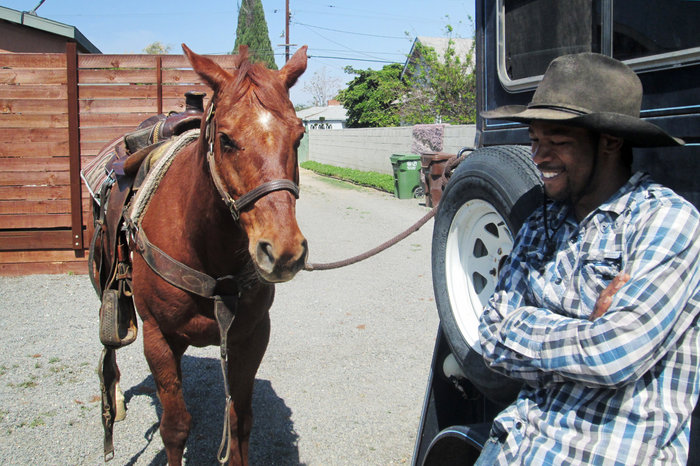
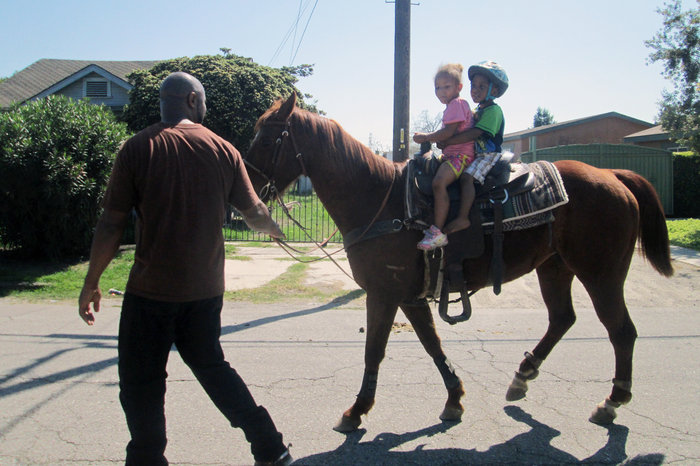 Andrew Hosley is a real cowboy, one of the few Blacks in the profession. He has used a chestnut mare named Jade to give kids a ride in his Compton neighborhood.
“I used to have the same reaction when I was a kid of their age,” he told NPR. “Watching the guys ride by on horses, and I always wanted to touch ’em, ride ’em. Whenever I show up at a pro rodeo, they’re surprised because I’m the only African-American that participates in the bareback ride, nationwide.”
Tre Hosley, is Andrew Hosley’s son is following in his dad’s footsteps—he keeps a worn saddle in the trunk along with two pairs of chaps and a pair of gloves and is always sure to show the kids that being a cowboy earns him a different set of cool points that gang banging.
At day’s end, it’s all about inspiring the youth of Compton and exposing them to different lifestyles and opportunities, something no one can deny is cool.