PANAMA CITY – Cuba and the United States just made history. Now comes the hard part.
In the first meeting of its kind in nearly 60 years, U.S. President Barack Obama and Cuban leader Raul Castro sat down together for over an hour on Saturday at a regional summit in Panama, moving a step closer to restoring diplomatic ties.
It was the result of nearly two years of secret talks and quiet diplomacy and the mood was positive, both inside the room and out, where Latin American leaders praised Obama for ending decades of U.S. hostility toward the communist-ruled island.
Obama clearly sees Cuba as a possible success story for his policy of engaging U.S. foes.
At a time of multiple risks to his foreign policy record — from Iran’s nuclear program and the war in Syria to Russian involvement in Ukraine and the violence of Islamic State — getting on well with Cuba looks relatively easy.
“The Cold War is over,” Obama said. “I think there is a strong majority both in the United States and in Cuba that says our ability to engage, to open up commerce and travel and people-to-people exchanges is ultimately going to be good for the Cuban people.”
Yet the gulf between the two sides remains wide, illustrated by the absence of U.S. and Cuban flags at the carefully orchestrated meeting on Saturday in a sparsely furnished conference room.
The U.S. economic embargo, which has blocked nearly all trade between the two nations for the last five decades, is firmly in place. Cuba’s human rights record stills draw scorn from Washington, as does U.S. foreign policy from Havana.
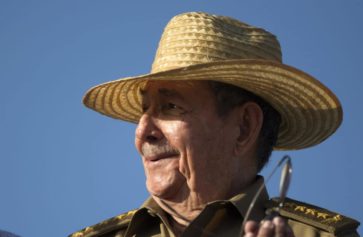
“Let’s not fool ourselves. We have a lot of differences,” said Castro, 83, who has been an enemy of the United States for most of his life and still railed passionately against its past policies even as he praised Obama as “an honest man.”
Read the full story at huffingtonpost.com