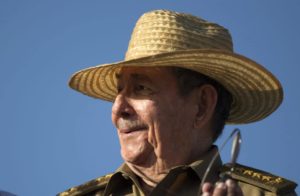
Cuba’s National Assembly has extended its term by two months, until April 2018, a signal that Raul Castro will remain in the presidency longer than previously announced. Castro had said that he expected to leave the presidency in February. (AP Photo/Desmond Boylan, File)
HAVANA (AP) — Cuba announced Thursday that its current leadership would stay in power until April 2018, a clear signal that Raul Castro will remain as president two months longer than expected.
Castro, 86, had said that he planned to step down in February at the end of a months-long political cycle in which voters and government officials pick the members of local, provincial and national assemblies and the members of the powerful council of state.
The National Assembly announced through state media that its current term would run through April 19 instead of ending in February because the impact of Hurricane Irma in September had delayed the start of the political cycle. The National Assembly’s announcement did not explicitly say that Castro would remain until April but the current council of state is also remaining until then, meaning Castro will retain his position as its head barring extraordinary action to replace him. The announcement did not mention any such action.
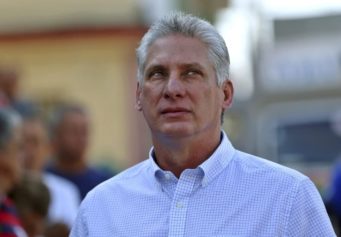
Many Cubans and outside observers expect Castro to be replaced as president by First Vice President Miguel Diaz Canel, 57, who has promised to continue Castro’s policies. Those policies include allowing the slow and limited introduction of private enterprise into Cuba’s centrally planned economy while maintaining a single-party system and tight government control of virtually all aspects of life on the island.
Castro is expected to retain his position as head of the Communist Party, which sets the parameters of government policy and overall direction of the country.
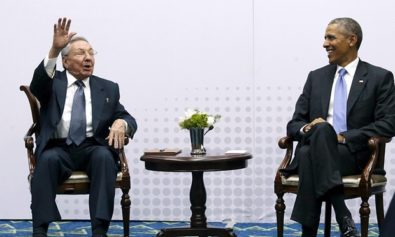
Castro took over from his brother Fidel Castro after the revolutionary leader and founder of the current Cuban system fell ill in 2006. Raul Castro began a series of domestic reforms that included the spread of internet and cellphone access, freedom to travel for most Cubans and the ability to buy and sell cars and houses. He also oversaw the reestablishment of diplomatic relations with the United States, a detente that was shaken by the election of Donald Trump as U.S. president last year.
Trump re-imposed restrictions on Americans’ ability to travel to Cuba, cutting into a tourism boom that had helped buffer the island’s economy against a decline in trade with socialist ally Venezuela.
The Cuban government said Thursday that after a recession in 2016, the economy grew 1.6 percent this year, a better performance than expected due largely to a 4.4 rise in income from tourism, along with smaller increases in transport, communications, agriculture and construction.