Failing to Consult Neighborhoods About Dangerous Changes
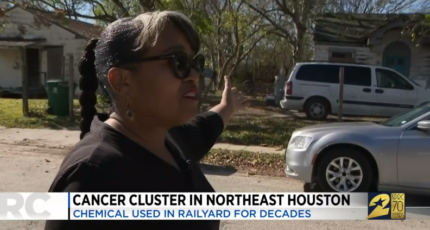
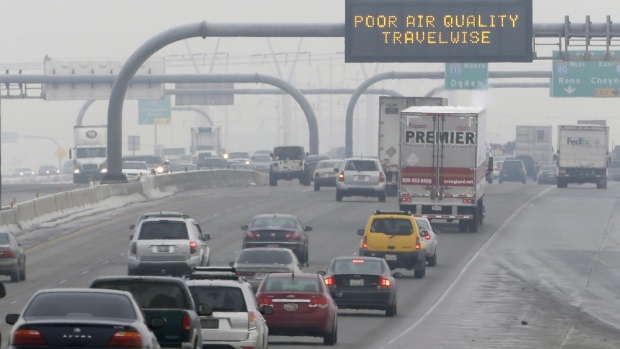
There is one common thread between many of the neighborhoods that are rarely even given the opportunity to vote on or discuss transportation projects that are going to be constructed in their neighborhood. This results in the type of poor planning coming from leaders who don’t understand what projects are needed the most and which communities need the most relief. “Those in power make decisions about transportation planning, resulting in ill-planned bus routes, transportation more likely to benefit those with cars than those without, and bleak environmental costs,” Slate explains. Local government figures use different tactics to avoid consulting the low-income communities about transportation projects that bring traffic and pollution to the area. One community in Buffalo, New York, recently discovered that local officials were poorly advertising community meetings after one public meeting exposed concerns about upcoming transportation projects, one resident told Slate.
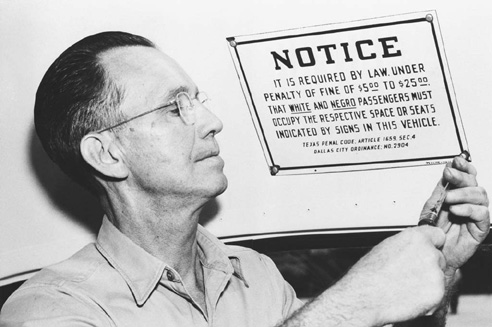
Separate and Unequal Seating on Public Transportation
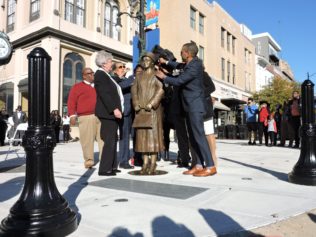
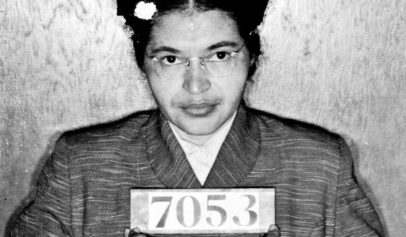
Modern-day politics and questionable government funding are the factors that contribute to discrimination in the transportation sector today. Historically, however, transportation was used to discriminate against the Black people through segregation. “Race and transportation have long been intertwined,” Slate’s report explained before pointing to “Rosa Parks and the Montgomery Bus Boycott; or segregated streetcars and trolleys.”