8 Ways America’s Transportation System Has Discriminated Against the Black Community

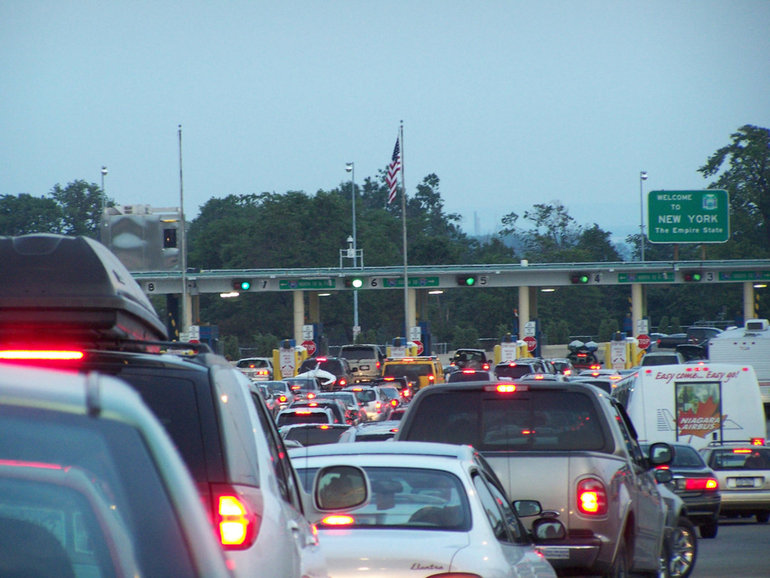
peace+bridge+customs

Cutting Through Black Communities With Busy Roads and Highways

Too often, major transportation projects are designed to rip through low-income Black communities, causing drastic declines in local business, segregating neighborhoods and generally decreasing the quality of life in that particular community. One example of this took place in 1993, according to a report published by WNYC. It was then that retired attorney Marvin Anderson “unearthed a letter to the editor of the St. Paul Pioneer Press. The writer, a city engineer, Claude Thompson, admitted the government chose the route for I-94 because it was in the city’s low-income black neighborhood.”
AR-140129161.jpg&maxW=960

Polluting Low-Income Communities With Traffic-Heavy Infrastructure

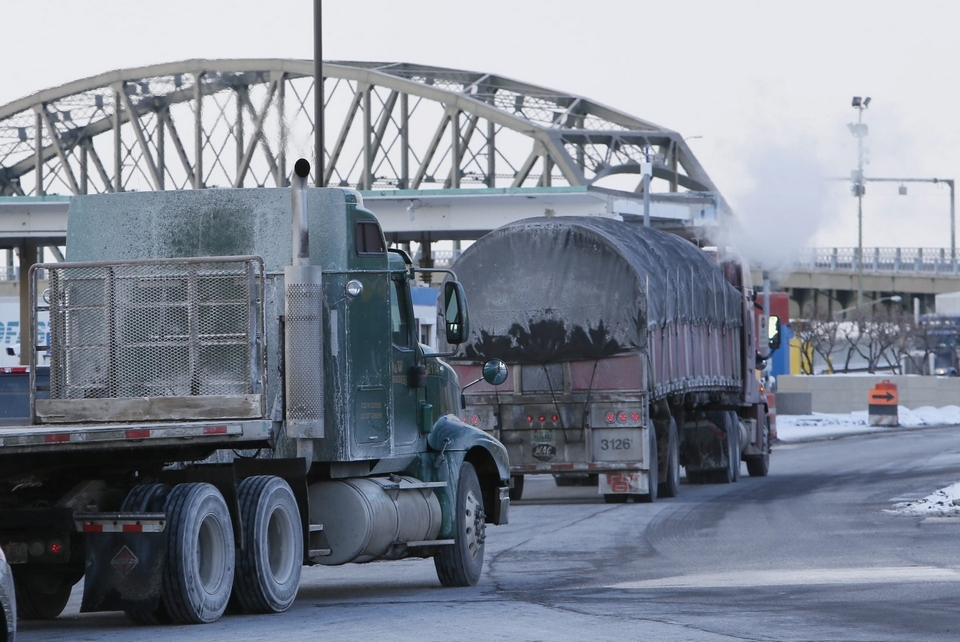
Transportation projects that bring heavy traffic back and forth through low-income communities are causing serious health problems for the residents who live there. One small Buffalo, New York, neighborhood called West Side lies in the shadow of the Peace Bridge, a project that brings more than 15,000 vehicles through the community every day. Researchers who were investigating the impacts the bridge had on the community soon found that since the bridge’s construction, asthma rates in the community sky rocketed. “The pollutants hover in the air, are absorbed into buildings and houses, and find their way into the lungs of neighborhood residents, who are primarily people of color,” a report by Slate revealed. When one of the residents wore an air monitor for a few hours, the device collected more than 1.8 times the EPA recommended limit of particle pollutants.
Still independent.

We hope this story was worth your time. For over 14 years, Atlanta Black Star has stayed Black-owned and independently run. We didn't get here by waiting on ad budgets that were never built to prioritize us. Our readers did that.

Corporate support for Black media has always been thin. Outlets like ours get roughly 1% of the $170 billion spent on U.S. advertising each year, and that margin is shrinking further as advertisers walk back the DEI-linked commitments they made in 2020. That's the backdrop. It's not why we're asking.

The wider picture isn't any steadier. Newspaper ad revenue has fallen more than 80% since 2005, and local newsrooms are closing at a rate of roughly two a week nationwide. When outlets go under, it's rarely the ones built to center a Black perspective from the ground up that get to stick around.

We know a request for support isn't why you came here. But without readers choosing to fund this work directly, the depth of reporting we can do at home and abroad shrinks along with everyone else's. If you're not in a position to give, that doesn't change how much we value you as a reader.

If you are able to, a recurring contribution does more for us than a single one-time gift, because it lets us plan the next investigation instead of just the next invoice. It takes about 30 seconds, no long form, no account. Thank you for continuing to support independent journalism and freedom of the press.

Back to top