Lack of Efficient Public Transportation That Connects Low-Income Americans to Jobs
With a growing population of low-income communities forming in some suburbs, there is a need for public transportation that can link people to their jobs in metro areas. Many metro cities are considered breeding grounds for jobs, but they also house thousands of jobs that many Americans can’t access unless they drive their own car. If you’re already unemployed or don’t make enough money to purchase a car, it’s a catch-22 that can leave people trapped in poverty. They can’t get money to get a car because they can’t drive to cities that offer the most employment opportunities.

Stark Contrast in ‘Amenities’ for Suburban Rails and Inner-City Buses
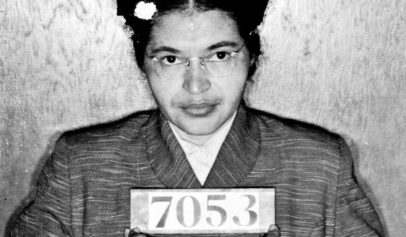
Historically, Black Americans and white Americans were segregated by being assigned to different sections of public transportation. Black people were forced to sit in the back of the bus while white people occupied the rest of the space. Those blatantly racist practices aren’t happening anymore, but that doesn’t mean discrimination isn’t still plaguing America’s transportation system. Commuters have long noted just how different public transportation is in Black communities when compared to predominantly white ones. One report, “Race, Mass Transit and Inequality,” explains that funding for urban communities that tend to have more Black residents is significantly lower than it is in suburbs that tend to have predominantly white residents. This results in fewer “amenities” in low-income neighborhoods and overall poorer quality buses, railways and more.