 Can democracy lead to development, or is it the other way around? The question remains far from settled, and the stakes have never been higher. Most countries today are formal democracies; two out of every three people live in such countries. Yet, there is growing disillusionment about the way democracy works, and concerns about whether it can deliver in terms of social and economic wellbeing. The phenomenal success of countries like China and other “Asian tigers” in lifting people out of poverty has also increased the appeal of authoritarian models of development.
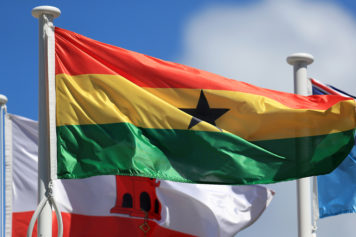
This is what makes the case of Ghana so compelling. Over the past two decades, it has experienced one of the world’s most successful transitions to multiparty democracy, and it is one of the few democracies emerging from the “third wave” of democratization that has taken root. This is no small achievement, especially in a multi-ethnic setting.
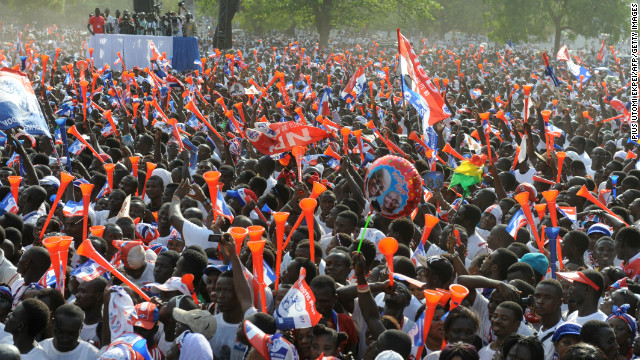
Since 1992, the country has held six elections, and power has been transferred from government to the opposition on two occasions. It has also experienced what several observers call an explosion of political voice, with the growth of an active and engaged civil society that includes professional associations, NGOs, unions, thinktanks and the media.
At the same time, the provision of basic services, especially health and education, has improved dramatically. In 2003, Ghana became one of only a handful of countries not part of the Organization for Economic Cooperation and Development (OECD) to provide free and universal health coverage (under the National Health Insurance Scheme); and between 1998 and 2008 child immunization rates soared from 19% to 70%. In 2007, it became the first country in sub-Saharan Africa to make pre-primary education compulsory, and the number of kindergartens doubled from 6,321 to 13,263 between 2001-02 and 2010-11.
Read the full story at theguardian.com