Barneys New York
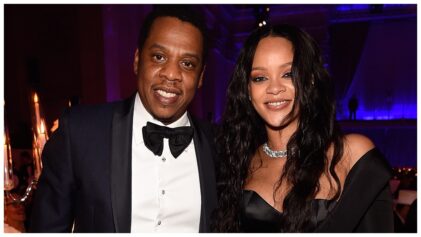
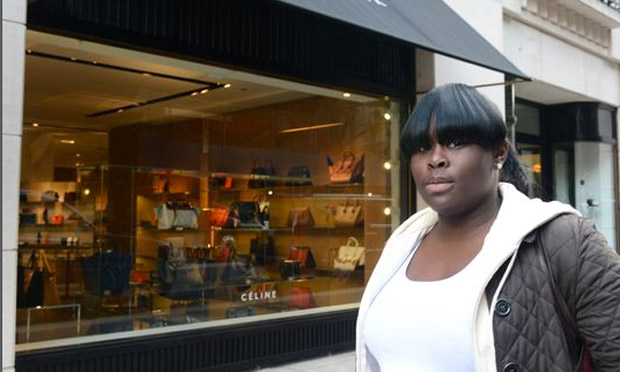
Brooklyn nursing student Kayla Phillips used her tax refund money to purchase a $2,500 Céline bag at the high-end New York retail store in February 2013, which would usually be considered a good thing by most outlets. But Phillips (above) was stopped and detained by four undercover officers who followed her to the subway station. She sued the Madison Avenue store, sparking a backlash that saw 59,000 people sign a change.org petition against Barneys, and protesters asked rap mogul Jay Z to end a partnership he had with the store. Barneys paid $525,000 in fees and penalties after New York Attorney General Eric Schneiderman’s investigation found that the store routinely followed Black shoppers, door guards pinged African-Americans as worthy of video surveillance, and some sales associates ignored Black clients, among other indiscretions. Rapper Wiz Khalifa, despite spending $16,000 in the store, experienced this treatment, as he was followed by security in Barneys in 2011.

Abercrombie and Fitch
The store was ordered to pay $50 million to Black, Latino, Asian-American and female applicants who had accused the company of discrimination in hiring and had issues with how they were treated as employees. The settlement required the retail store to enforce policies that promoted diversity in its workforce and to prevent future discrimination based on race or gender. Beyond that, the store, in 2005, sold sexist women’s T-shirts that read: “Who needs a brain when you have these?” Additionally, stores reportedly allowed white employees to work the front house while Asians, African-Americans and people with prosthetics worked in the back, away from customers. There have been numerous lawsuits against the brand for religious discrimination and discrimination against disabled customers.