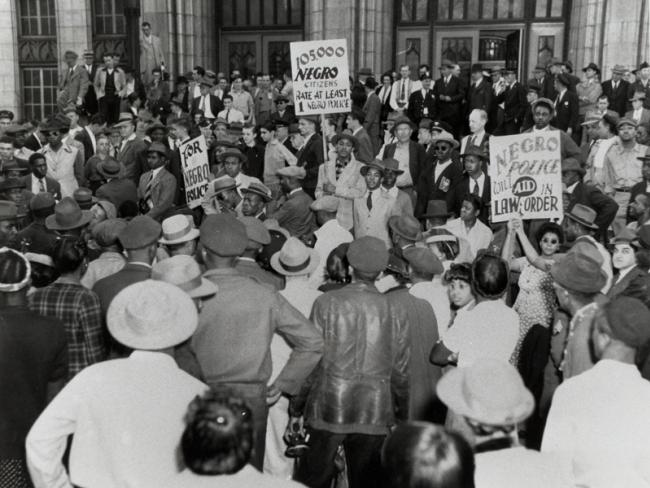
 The notion that the Civil Rights Movement in the South was strictly a nonviolent movement remains a dominant theme and a misrepresentation of history. In countless Southern communities, Black people picked up arms, organized, intimidated and met force with force to defend their leaders, communities and lives. In particular, Black people relied on armed self-defense in communities where federal government officials failed to protect them from the violence of racists and segregationists who were often supported by local law enforcement. Here are some of the many instances of how they fought back.
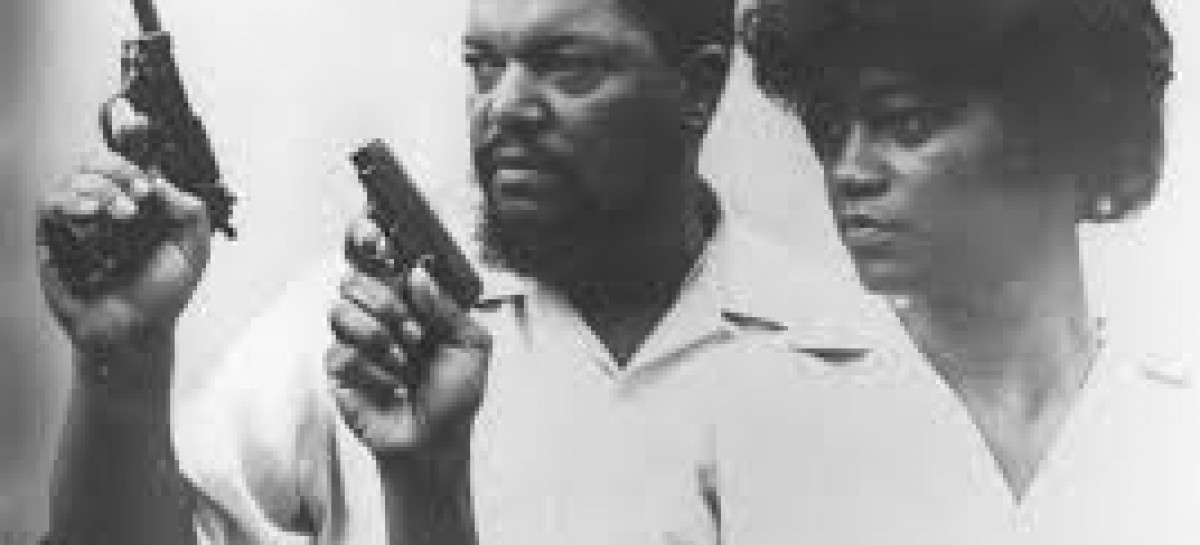
‘Armed Resistance’
Charles E. Cobb explains in his book, “This Nonviolent Stuff’ll Get You Killed: How Guns Made the Civil Rights Movement Possible,” that Black people may have had a nonviolence approach to the racist attacks of whites during the Civil Rights Movement, but they were not against defending themselves, either. Armed self-defense (or “armed resistance”) as part of the Black struggle began not in the 1960s with angry “militant” and “radical” young African-Americans, but in the earliest years of the United States as one of African people’s responses to oppression, according to the book. “In every decade of the nation’s history, brave and determined Black men and women picked up guns to defend themselves and their communities.”