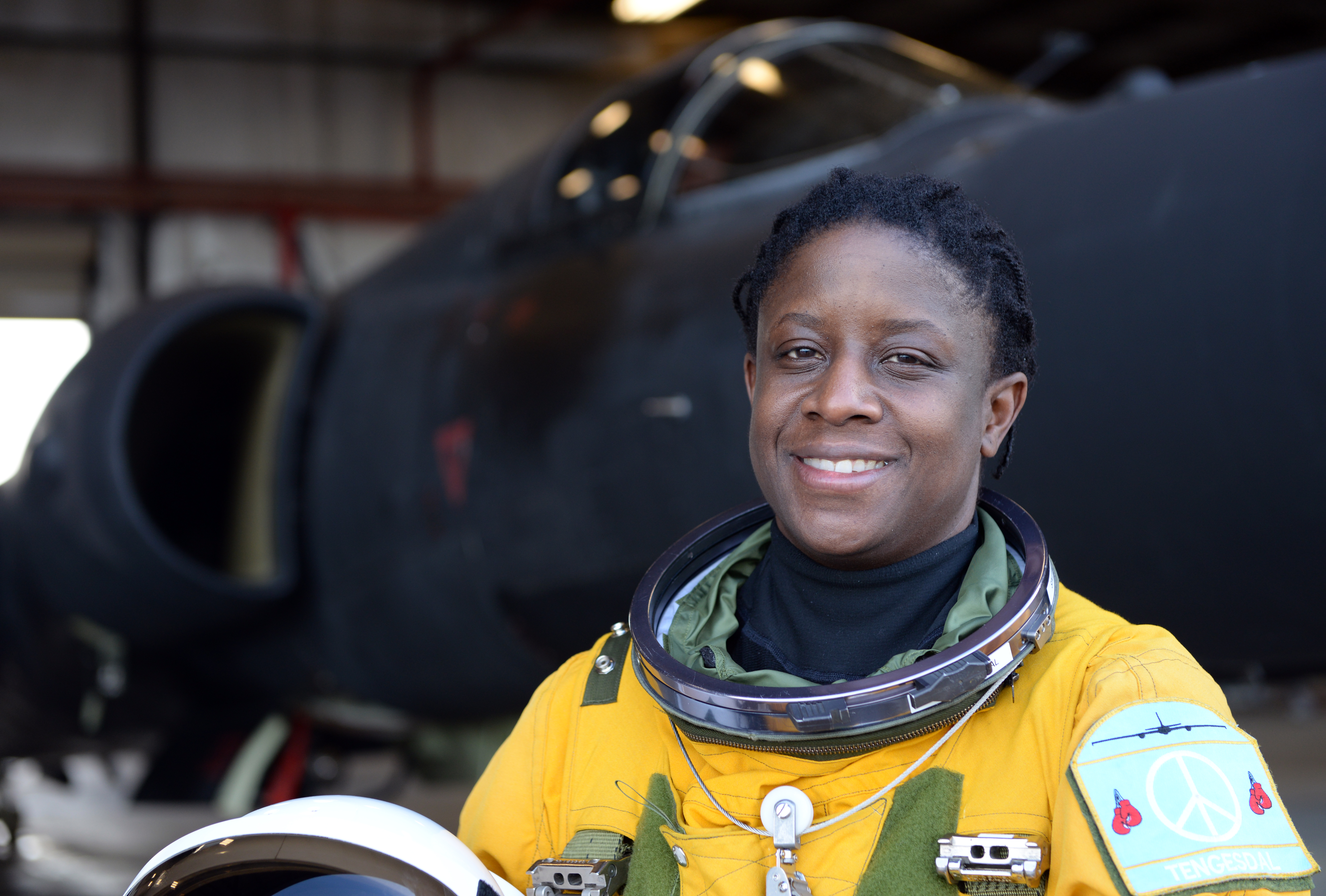
 Lt. Colonel Merryl Tengesdal already made her mark in history as the first Black female U-2 pilot. After a decade of taking on risky espionage missions, she will now continue breaking down barriers for Black women in the military as a colonel.
Tengesdal started out as a U.S. Navy helicopter pilot before she became a member of the U.S. Air Force back in 2004.
For the next 10 years, she would log more than 3,000 flight hours, 330 combat hours and embark on missions in Afghanistan, Iraq and the Horn of Africa, the U.S. Department of Defense reported.
Now she is starting a new chapter of her already historic career as she moves forward to become a colonel.
For Tengesdal, it’s a reminder of the limitless possibilities that come with big dreams and hard work.
“Think of how far you can go, because you can reach those [stars],” she said, according to the Daily Mail. “Because in America, we can pretty much do anything.”
In fact, the stars have been a large part of encouraging Tengesdal to go where no Black woman had gone before.
Years ago, Tengesdal was flying over Los Angeles and spotted a shooting star soaring through the night sky. It wasn’t necessarily her first time seeing a shooting star, but this time she was at eye level with the celestial object.
As she sat on board her U-2 plane, which she nicknamed the Dragon Lady, she realized the power of shooting for the stars.
It was something the Bronx native certainly had to have the courage to do after growing up in a neighborhood that was plagued by violence and the drug culture.
With the help of her mother and teachers, she managed to stay focused and steer clear of trouble.
She excelled in the classroom, especially when it came to math, and her obsession with Star Trek piqued her interest in STEM (science, technology, engineering and math) careers.
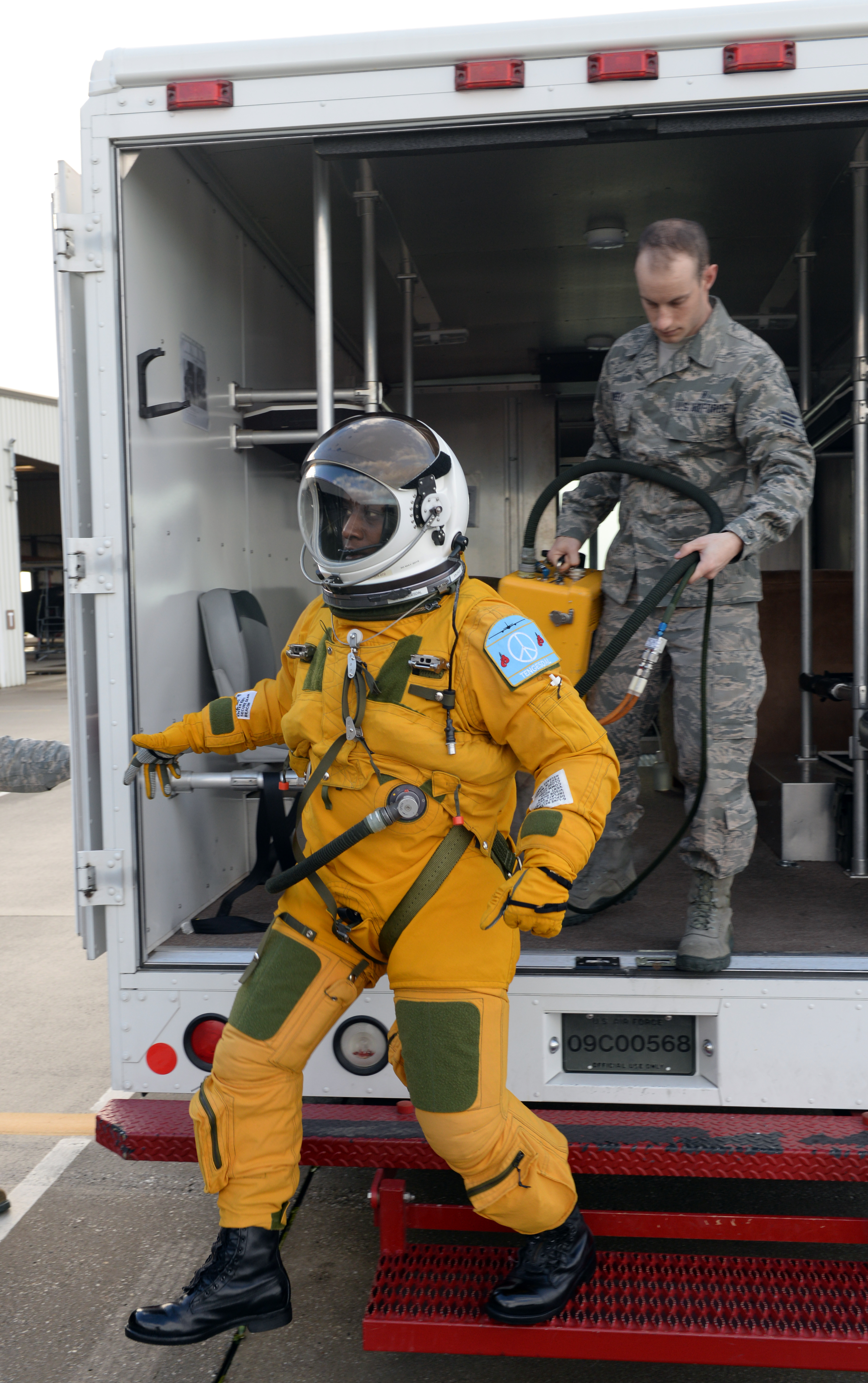 After high school, she went on to earn a degree in engineering from the University of New Haven before enrolling in the Navy’s Officer Candidate School.
Tengesdal started out piloting a helicopter for the Navy, but that didn’t reach the altitudes that Tengesdal envisioned. With childhood dreams of one day working for NASA, a helicopter was a far cry from the type of aircraft she wanted to pilot.
That’s when she made the decision to join an elite force of fewer than 1,000 U-2 pilots who would all have to make it through a rigorous nine-month training program.
Tengesdal completed the program and has spent years soaring more than 10 miles above the Earth’s surface.
Now she is blazing trails for other aspiring Black female pilots.
She admitted that it is “very uncommon” to see female pilots “much less a female minority” pilot.
“My career field is very male-dominated, but I hope I have helped other females with similar aspirations to realize this as an option,” she said, according to the Daily Mail. “I think we are all limitless as to what we can accomplish.”


