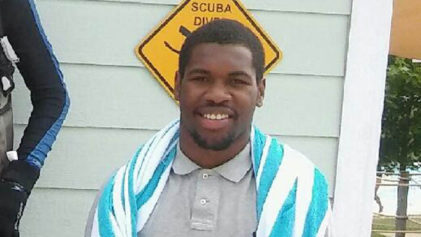
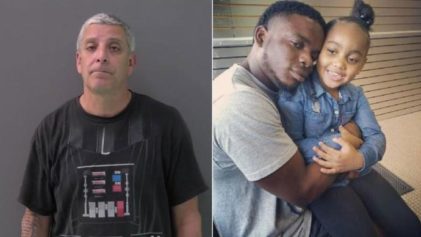
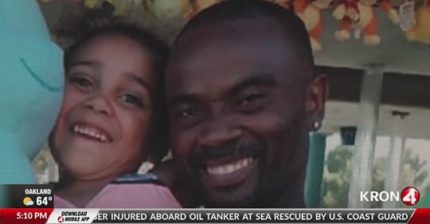
 Why Kevin Davis was shot and killed by police outside of Atlanta and why his family was not allowed to see him in the hospital are the unanswered questions in still another case of a Black man losing his life at the hands of law enforcement.
In this case, police handcuffed Davis, 44, to a hospital bed for two days after he was fatally shot, but did not allow his relatives to visit him, the family contends. Additionally, the circumstances around the shooting are muddled, another concern, after Davis called 911 after his girlfriend was stabbed by another man.
Officer Joseph Pitts arrived at Davis’ home and shot and killed his dog, a three-legged pit bull, claiming later that the animal attacked him. Davis came to the door with an unloaded gun intended to intimidate an intruder, his girlfriend said.
Pitts was at the door when Davis arrived there. Neighbors said they did not hear Davis say anything. Pitts commanded him to “drop the gun” and began firing. Davis was shot three times and clung to life for two days at Grady Hospital in Atlanta, where he was cuffed to the bed, although paralyzed.
Davis was shot on December 30 in Decatur, but the case is on the radar now because the family members are incensed and hired lawyers, saying police would not allow them to speak to Davis because he would have given them a true account of the events.
Davis’ sister, Delisa, said she used the final hours of her brother’s life pleading with police to allow her to enter the room he was being held until after he died.
“They denied us access to him because they didn’t want him telling us what really happened that night,” she told the Guardian. In his last known remarks, Davis told a medic that an officer arrived at his home “and began shooting.”
Jeffrey Mann, the DeKalb County sheriff, said in a statement: “It is mandatory, however, that security protocol is applied consistently in order to protect the safety of both the inmate and the general public.” He denied that his officers on duty had blocked relatives from visiting.
Davis had been arrested and charged with aggravated assault against Pitts, because he allegedly ignored an order to drop a revolver he was holding. Davis’s girlfriend, April Edwards, said he grabbed the unloaded gun and approached their front door after their dog was shot and they feared that her attacker may have returned with a gun.
Police have said that Davis approached Pitts, who was in the corridor outside the apartment, shouting: “You shot my dog.” Police also said Pitts ordered Davis twice to “put down the gun.”
But The Guardian obtained hospital files that indicated after arriving by ambulance, Davis told an emergency room medic in his last known remarks “that police came to his house after there was an altercation with his girlfriend and began shooting.”
His family’s attorneys said witnesses did not hear Davis say anything to the officer, and that he did not make it beyond the threshold to his apartment. Neighbors recalled hearing shots fired almost instantly after an order to drop the revolver.
Hospital officials confirmed that relatives are able to visit patients in custody if the law enforcement agency involved granted permission. The DeKalb County sheriff’s office, which was responsible for Davis during his stay in hospital, said it granted permission “in the most grave situations,” yet Davis’s family said they were refused access even as he deteriorated fatally.
In Thursday’s statement, Mann said his officers guarding Davis were not “asked by family members for visitation privileges.” Delisa Davis vehemently disputes that. And Davis’s niece, Barbara Davis-Colter, told the Guardian that she, her sister and father visited the hospital and asked to see Davis, but were not allowed past the front desk on the floor where he was being held. Later they were told: “Only DeKalb County officers could let us see him, and there were no DeKalb County officers there,” she said.
“We were blocked at every turn,” said Delisa Davis.
It is also curious that despite being instantly paralyzed by one of Pitts’ bullets, Davis was cuffed by his ankles to his bed to prevent a possible escape. “From the time I found out he had been shot, I was calling Grady, I was calling DeKalb County, and I couldn’t get anybody to give me a straight answer or let me see him,” said his sister. “They just gave me the runaround.”
Additionally, the family does not know how many times Davis was shot. Police will not say. Doctors told his sister they found three bullet holes in his body. Medical reports from the hospital detail five separate wounds.
When Davis died, Delisa Davis said a detective told her: “’I guess you can go to Grady now.’ It was just so callous, like they weren’t dealing with humans.”