California Officer Involved In Shooting Death of Rapper Sleeping His Car Was Just Cleared In Another Shooting of Black Man Riding His Bike
A Vallejo, California, officer was justified in using deadly force in the 2018 shooting that killed unarmed Black man Ronell Foster, the Solano County District Attorney’s Office announced last week.
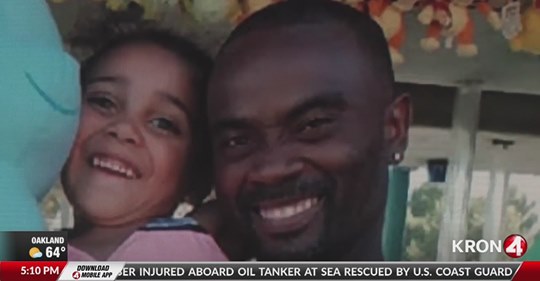
Foster, a 33-year-old father of two, was out riding his bike when he was shot dead by officer Ryan McMahon. Authorities said a foot chase and “violent physical struggle” prompted the officer to open fire.
After what they described as a thorough review of the incident, prosecutors said they couldn’t prove without a reasonable doubt that McMahon’s use of force wasn’t justified.
“We understand that these decisions weigh heavily on our community,” the DA’s office said in a statement. “However, we must remain steadfast in our ethical obligation to uphold the law and public trust.”
The events that led to the shooting unfolded Feb. 13, 2018, when McMahon spotted Foster riding his bike without the proper headlamp and weaving in and out of the roadway, according to authorities. The policeman attempted to conduct a stop, but said Foster proceeded to flee on his bike.
McMahon finally caught up with him and a scuffle ensued, officials said. McMahon deployed his taser, but it was ineffective at subduing Foster.
Police body camera video released by the department shows Foster lying on the ground as the officer struggles to get him under control, shocking him at point-blank range with his stun gun. Foster appears to try to sit up, but his movements are unclear because of the constant jostling of the camera.
With the stun gun still in his right hand and a flashlight in the other, a shadow cast along a nearby wooden fence shows the officer reholstering his weapon. Foster rises moments later and grabs McMahon’s flashlight. The officer opens fire.
“Fearing imminent and serious physical harm, [McMahon] discharged his duty firearm, striking Foster,” a police report states.
After he’s shot, Foster stumbles backwards and is motionless on the ground. He was reportedly hit in the back and back of the head.
The man’s family has disputed the officer’s account of events and later filed a federal lawsuit accusing authorities of unfairly targeting their loved one. Vallejo police reportedly also refused to allow Foster’s family to view bodycam footage of the deadly shooting.
Authorities wouldn’t release the video until May 2019.
“Our hearts go out to the family and loved ones of [Ronell] D. Foster, who lost his life on February 13, 2018,” the DA’s office said. “We express our deepest condolences to Foster’s family during this very difficult time.
“Our office has had the opportunity to meet with the family of [Ronell] D. Foster and informed them of our decision.”
This also isn’t the first time McMahon has been involved in a deadly police shooting. The Mercury News reports that he was one of several officers who opened fire, killing 20-year-old aspiring rapper Willie McCoy as he sat sleeping in his car in the drive-thru of a local restaurant.
That shooting sparked outrage in the Vallejo community — located 30 miles northeast of San Francisco — as well as demands for police accountability. A cousin of McCoy told The Guardian that the video from Foster’s death was additional evidence that the officer was a “loose cannon.”
“He’s just allowed to do whatever it is he wants to do, and there’s no culpability,” said David Harrison. “These are racist tactics … and all these families have to suffer.”
McCoy’s brother, Marc McCoy, added “If your boss is saying it’s OK, you’re going to keep doing it. It feels like no matter what the video shows, you still don’t get an honest answer,” or any across-the-board departmental changes when it comes to de-escalation or avoiding deadly force, he expressed.
Watch more in the video below.