The Ever-Present Fear of Violence
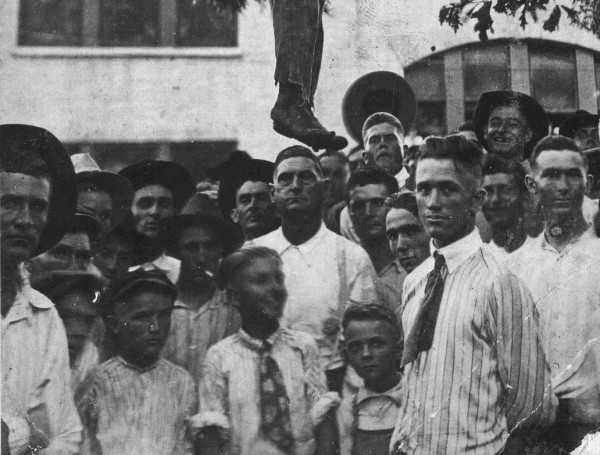
The most traumatizing experiences for young people growing up in Jim Crow societies were their initial encounters with violence inflicted by whites upon Blacks, according to the history site shmoop.com. Rumors of beatings, torture and lynching, or “white death” as author Richard Wright referred to it, were enough to haunt children and instill terror within them. “Nothing challenged the totality of my personality,” Wright reflected in his adulthood, “so much as this pressure of hate and threat that stemmed from the invisible whites. I would stand for hours on the doorsteps of neighbors’ houses listening to their talk, learning how a white woman had slapped a black woman, how a white man had killed a black man. It filled me with awe, wonder, and fear.” At the age of 5, future Morehouse College president Benjamin Mays watched as a group of white men on horseback forced his father at gunpoint to remove his hat and bow to them, while young Martin Luther King Sr. (father of civil rights leader Martin Luther King Jr.) witnessed several whites beat a Black man to death for demanding his paycheck.

Black Children Knew They Couldn’t Eat Vanilla Ice Cream
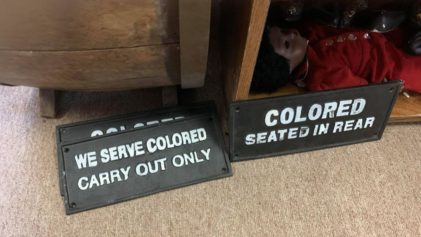
By custom rather than by law, whites in the Jim Crow South forbade Black folks from eating vanilla ice cream in public — except on the Fourth of July. The terror and shame of living in the purgatory between the Civil War and civil rights movement was often communicated in ways that reinforced to children what the rules of that life were, and what was in store for them if they broke them, Michael Twitty wrote for The Guardian. He says this denial revealed the deeper psychological consequences of legalized racism in American life. The racism of the time period was not just about dignity and self-esteem — it was embodied and mythologized in physical terms, a denial that was thrust in the face of every Black child.