Banned From Reading the Declaration of Independence
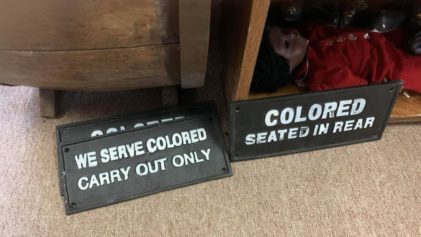
There were limits on what Black children could be taught in school because white school leaders did not want Black children to be exposed to ideas like equality and freedom. Carter G. Woodson wrote that some Black children in Southern schools were not allowed to use books that included the Declaration of Independence or the U.S. Constitution.

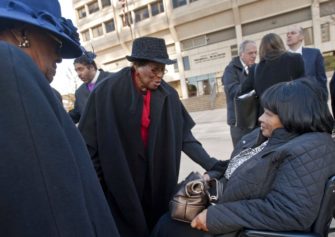
Vertus at 85
The Hole in Vertus Hardiman’s Head
In Lyles Station, Indiana, in the year 1927, the parents of 10 children at the local elementary school were approached by county hospital officials. The parents were told that there was a new experimental treatment for dermatophytosis, a fungal infection commonly known as “ringworm.” What the parents didn’t know was that the children were actually part of a human experiment on extreme radiation, likely chosen because they lived in such an isolated location, and probably because they were all Black. The children were exposed to high levels and many were left with disfiguring scalp scars and head trauma. The effects of the experiments were mostly hidden from the townspeople of Lyles Station, according to a report on HoleInTheHead.com, a website created to tell the story of Vertus Hardiman, one of the children, who was 5 years old at the time and was physically affected the worst by the radiation. As a result, he experienced a slow dissolving of the bone matter of his skull for the rest of his life. The ensuing deformed head and gaping hole at its top were disguised by a succession of hats, toupees and wigs. Every day of his life he spent an hour changing bandages and dressing the wound.