Malcolm X: Killing Crackers
With the passage of the Selective Training and Service Act in August 1940, all American men between the ages of 18 and 45 became liable for military service. Some Black men who had no desire to fight in the “white man’s war” used racial stereotypes to their advantage to avoid the draft. Malcolm Little, later known as Malcolm X, appeared before a draft board wearing his most audacious zoot suit and exaggerating his desire to join the army in order to “kill some crackers.” The draft board subsequently deemed Little “mentally disqualified for military service,” according to the history site shmoop.com.
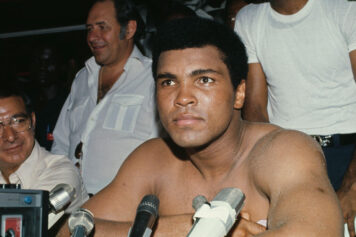
Muhammad Ali: ‘The Real Enemy of My People Is Here’
Ali was stripped of his world heavyweight title and suspended of his boxing license after he refused to be inducted into the U.S. Army. “Why should they ask me to put on a uniform and go 10,000 miles from home and drop bombs and bullets on Brown people in Vietnam while so-called Negro people in Louisville are treated like dogs and denied simple human rights?” Ali said. “No I’m not going 10,000 miles from home to help murder and burn another poor nation simply to continue the domination of white slave masters of the darker people the world over. This is the day when such evils must come to an end. I have been warned that to take such a stand would cost me millions of dollars. But I have said it once and I will say it again. The real enemy of my people is here. I will not disgrace my religion, my people or myself by becoming a tool to enslave those who are fighting for their own justice, freedom and equality. If I thought the war was going to bring freedom and equality to 22 million of my people, they wouldn’t have to draft me, I’d join tomorrow. I have nothing to lose by standing up for my beliefs. So I’ll go to jail, so what? We’ve been in jail for 400 years.”