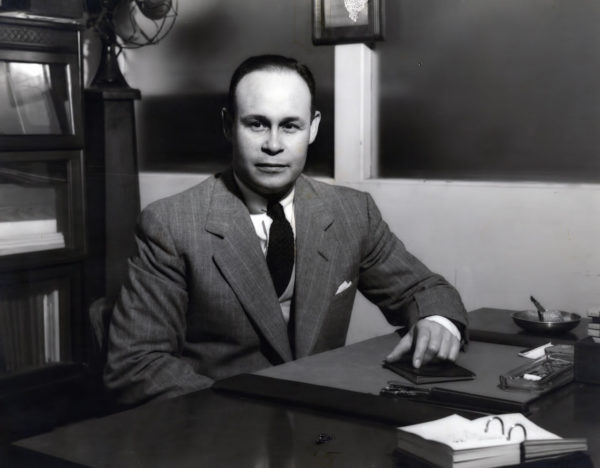
Discovering How to Bank Plasma
In 1938, Dr. Charles Drew received a Rockefeller Fellowship to study at Columbia University and train at the Presbyterian Hospital in New York City. There, Drew developed a method for processing and preserving blood plasma, or blood without cells. Plasma lasts much longer than whole blood, making it possible to be stored or “banked” for longer periods of time. He discovered that the plasma could be dried and then reconstituted when needed, according to the biography.com website. His research served as the basis of his doctorate thesis, “Banked Blood,” and he received his doctorate degree in 1940. Drew became the first African-American to earn this degree from Columbia.
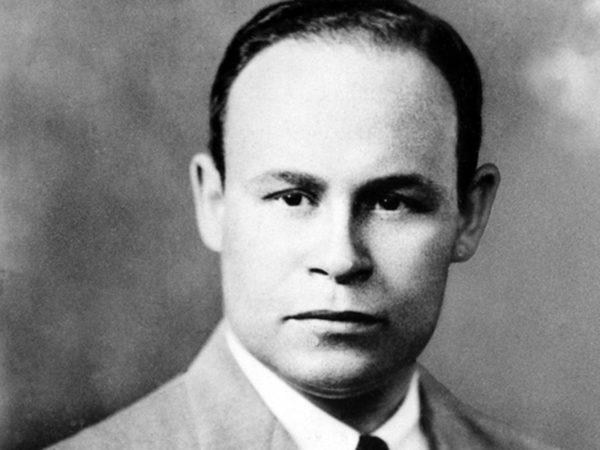
Drew Collects Blood for Britain
Prior to the United States’ involvement in World War II, liquid plasma and whole blood were used. The “Blood for Britain” program during the early 1940s was quite successful (and popular in the United States) based on Charles Drew’s contribution. A large project began in August 1940 to collect blood in New York City hospitals for the export of plasma to Britain. Drew was appointed medical supervisor of the “Plasma for Britain” project. His notable contribution at this time was to transform the test tube methods of many blood researchers into the first successful mass production techniques, according to the U.S. National Library of Medicine.