10 Ways Dr. Charles Drew’s Contributions to Blood Storage Forever Changed The World

charlesdrew02

Discovering How to Bank Plasma

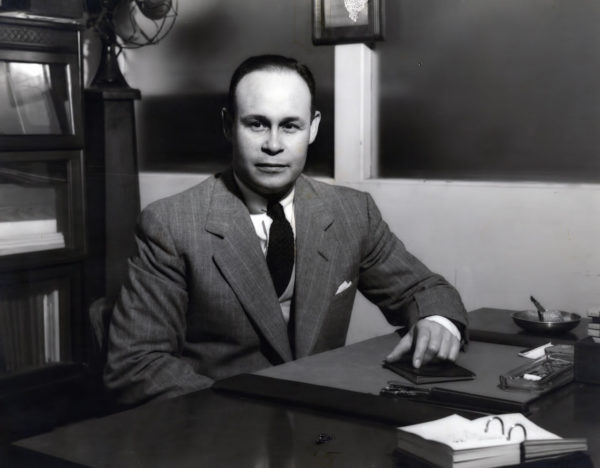
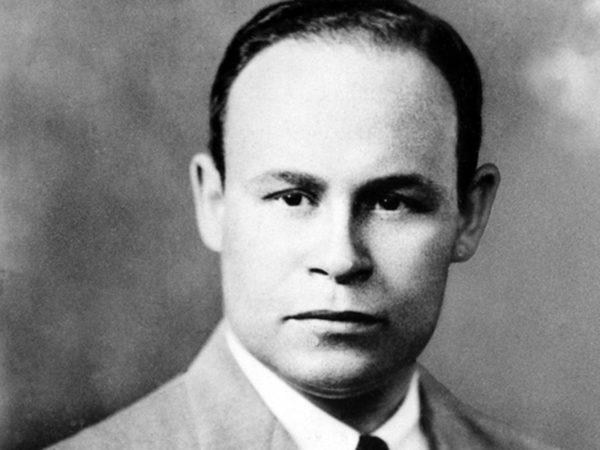
In 1938, Dr. Charles Drew received a Rockefeller Fellowship to study at Columbia University and train at the Presbyterian Hospital in New York City. There, Drew developed a method for processing and preserving blood plasma, or blood without cells. Plasma lasts much longer than whole blood, making it possible to be stored or “banked” for longer periods of time. He discovered that the plasma could be dried and then reconstituted when needed, according to the biography.com website. His research served as the basis of his doctorate thesis, “Banked Blood,” and he received his doctorate degree in 1940. Drew became the first African-American to earn this degree from Columbia.
 

Charles-Drew

Drew Collects Blood for Britain

Prior to the United States’ involvement in World War II, liquid plasma and whole blood were used. The “Blood for Britain” program during the early 1940s was quite successful (and popular in the United States) based on Charles Drew’s contribution. A large project began in August 1940 to collect blood in New York City hospitals for the export of plasma to Britain. Drew was appointed medical supervisor of the “Plasma for Britain” project. His notable contribution at this time was to transform the test tube methods of many blood researchers into the first successful mass production techniques, according to the U.S. National Library of Medicine.

Independent journalism still matters.

We hope this story was worth your time. For over 14 years, Atlanta Black Star has stayed Black-owned and independently run. We didn't get here by waiting on ad budgets that were never built to prioritize us. Our readers did that.

Corporate support for Black media has always been thin. Outlets like ours get roughly 1% of the $170 billion spent on U.S. advertising each year, and that margin is shrinking further as advertisers walk back the DEI-linked commitments they made in 2020. That's the backdrop. It's not why we're asking.

The wider picture isn't any steadier. Newspaper ad revenue has fallen more than 80% since 2005, and local newsrooms are closing at a rate of roughly two a week nationwide. When outlets go under, it's rarely the ones built to center a Black perspective from the ground up that get to stick around.

We know a request for support isn't why you came here. But without readers choosing to fund this work directly, the depth of reporting we can do at home and abroad shrinks along with everyone else's. If you're not in a position to give, that doesn't change how much we value you as a reader.

If you are able to, a recurring contribution does more for us than a single one-time gift, because it lets us plan the next investigation instead of just the next invoice. It takes about 30 seconds, no long form, no account. Thank you for continuing to support independent journalism and freedom of the press.

Back to top