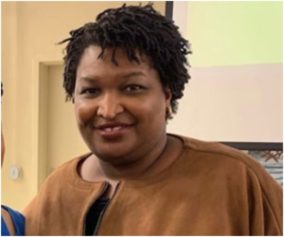
10 Rising Voices Who Should Snatch the Torch From Our Current Black Leadership

African-Americans continue to find themselves at the bottom of most every measure tracking a community’s well-being in the U.S. Though most of the current crop of political and community leaders are certainly well-meaning, there’s a need for new, young voices to emerge and take the mantle of leadership. The current protest movement has been an important training ground for many of them.

phillip-agnew

Phillip Agnew

After Trayvon Martin was killed by George Zimmerman, Agnew, 29, executive director of the Dream Defenders, became a powerful voice in Florida against the “Stand your ground” laws. From organizing protests and sit-ins at the Florida Statehouse, Agnew and his organization have risen to assume a national presence in the protest movement. His passion and intelligence immediately make him stand out from the crowd, in addition to his courage and unwillingness to compromise in the fight against injustice.
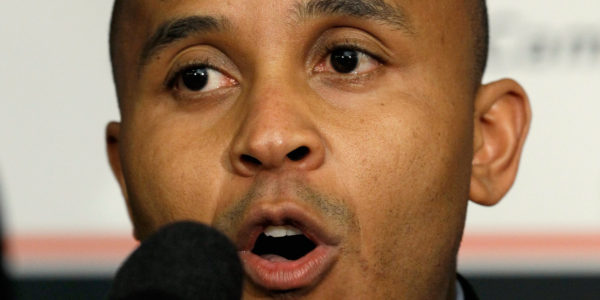
 NY Mayor Bloomberg, Advocacy Groups Call For End To "Shoot First" Gun Laws

Rashad Robinson

Robinson, 35, serves as executive director of ColorofChange.org, the nation’s largest online social justice organization. After the police killing of Michael Brown, ColorofChange.org rallied in front of the White House last summer, delivering a #JusticeforMikeBrown petition that was signed by more than 900,000 people and calling for the Justice Department to establish federal standards for police oversight across the nation, including anti-bias training and data collection on police brutality broken down by race. Social media and the Internet clearly have become important tools for leadership, and Robinson is on the leading edge of that wave.

Independent journalism still matters.

We hope this story was worth your time. For over 14 years, Atlanta Black Star has stayed Black-owned and independently run. We didn't get here by waiting on ad budgets that were never built to prioritize us. Our readers did that.

Corporate support for Black media has always been thin. Outlets like ours get roughly 1% of the $170 billion spent on U.S. advertising each year, and that margin is shrinking further as advertisers walk back the DEI-linked commitments they made in 2020. That's the backdrop. It's not why we're asking.

The wider picture isn't any steadier. Newspaper ad revenue has fallen more than 80% since 2005, and local newsrooms are closing at a rate of roughly two a week nationwide. When outlets go under, it's rarely the ones built to center a Black perspective from the ground up that get to stick around.

We know a request for support isn't why you came here. But without readers choosing to fund this work directly, the depth of reporting we can do at home and abroad shrinks along with everyone else's. If you're not in a position to give, that doesn't change how much we value you as a reader.

If you are able to, a recurring contribution does more for us than a single one-time gift, because it lets us plan the next investigation instead of just the next invoice. It takes about 30 seconds, no long form, no account. Thank you for continuing to support independent journalism and freedom of the press.

Back to top