A former state prosecutor who once secured a civil rights injunction against Mark Wahlberg is speaking out against the actor’s request for a pardon for his brutal attack years ago on two Asian men that left one of them blinded in one eye.
Judith Beals, a former Massachusetts assistant attorney general, is no stranger to Wahlberg’s troubling past.
She was the one who secured the civil rights injunction against Wahlberg after he and two other white friends chased three Black siblings in Boston’s Dorchester neighborhood back in 1986, hurling rocks and racial slurs at the trio.
Now that he’s asking for pardon for the 1988 attack on two Vietnamese men, Beals is urging the state parole board to deny his request to have his slate wiped clean.
Beals says as much as she believes in “forgiveness and reconciliation,” Wahlberg doesn’t deserve pardon for the racist attacks especially since he hasn’t acknowledged that they were racist.
During the attack, a 17-year-old Wahlberg called one of the men a “Vietnam f*****g s**t” and referred to both as “slant-eyed gooks.”
“That acknowledgement of the crime and that facing of history is absolutely critical in the issuing of a pardon,” she said.
Wahlberg requested a pardon for the 1988 attack because he says his record as a felon is having a negative impact on his ability to expand his restaurant chain and obtain licensing.
In other words, his past mistakes are preventing him from adding even more wealth to his already substantial fortune.
Meanwhile, countless Black citizens have been unfairly and disproportionately targeted by America’s racist justice system and struggle to find minimum wage entry-level work due to the existence of much less serious charges on their record.
Needless to say, nobody is willing to even consider dishing out pardons for these past offenders.
In his request for a pardon, Wahlberg writes that “troubled youths will see [his pardoning] as an inspiration and motivation that they, too, can turn their lives around,” but that’s an opportunity that has rarely been extended to Black youth.
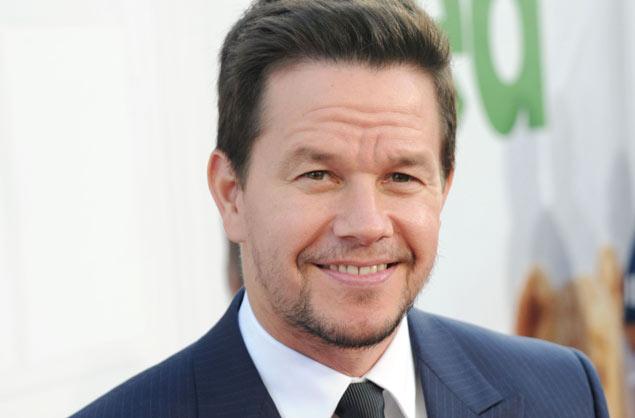
Mark Wahlberg
It’s another grueling reminder of the existence of two Americas.
One where young Black men are “justifiably” killed by white people because their hoodies or stature or toys were enough to cause an authoritative figure to “fear for his life,” and one where a white youth can hurl racial slurs and rocks at Black children and leave a Vietnamese man permanently blinded only to still be perceived as nothing more than a “misguided” youth who deserves a second chance later down the road.
Ironically enough, after the hate crimes against the Vietnamese men and the Black children, Wahlburg used an association with Black people and hip hop to launch his career into the stratosphere—a very early example of white cultural appropriation in hip hop and using the cultural capital of an association with Blackness to be deemed cool.
Early fans of the now award-winning actor may remember him as rapper and Calvin Klein model “Marky Mark,” whose song “Good Vibrations” with the Funky Bunch made it to number one on the Billboard charts in 1991—just three years after the Vietnamese men were “slant-eyed gooks” in his eyes and five years after he actually chased Black fourth-graders down the street, calling them “ni**ers.”
Legal experts would recognize him as a man with a more troubling criminal background than any of the unarmed Black men who were fatally shot by police officers and painted as thugs who had it coming to them.
It will be up to the state parole board to hold a hearing and send a recommendation to the governor to issue a pardon for Wahlberg.
If that happens, the Governor’s Council will have to make the ultimate decision on whether or not to clear Wahlberg’s criminal past of the vicious, racist attack.


