7 Amazing Secrets About King Tut You May Not Know

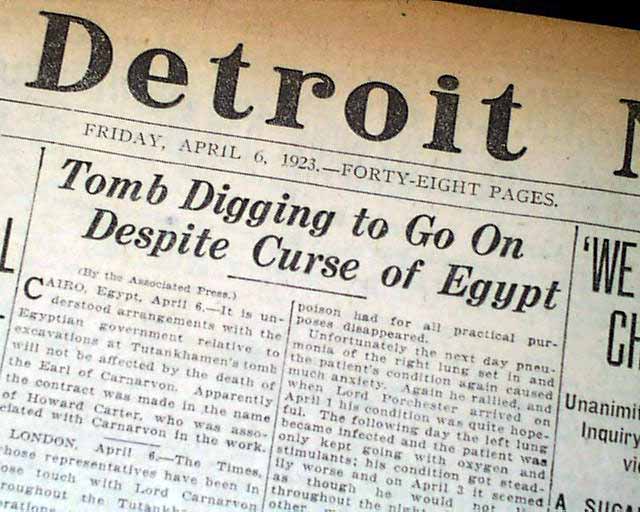
image057No Curse of King Tut

George Herbery, the financial backer of archaeologist Howard Carter, who uncovered the treasures of the boy king’s tomb, died four months after he and Carter entered the tomb in November 1922. Immediately, journalists called the blood clot from an infected mosquito bite that caused his death the “mummy’s curse.” That created a flurry of reports of sudden deaths of others who had visited the tomb in the Valley of the Kings. Turns out, those reports were contrived by reporters who claimed they saw an inscription about a curse outside the tomb. Further, scientists in 2002 examined the survival rates of 44 Westerners who had been in Egypt during Carter’s excavation, concluding that they were not at elevated risk of dying early.


628x471Tutankhamen Held Traditional Religious Beliefs

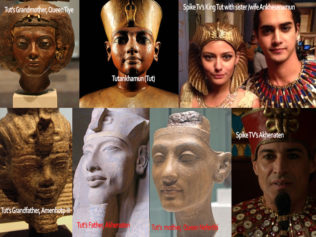
King Tut’s legacy is not steeped in a lot of events. He was, however, at the head of one major change. He reversed unpopular religious perspectives of his father, Akhenaten, who considered the god Aten to be Egypt’s most important deity and encouraged his worship above all others. He also transferred the Egyptian capital from Thebes to a new site devoted to Aten. His son restored the god Amun to his former glory and moved the capital back to Thebes. He abandoned his original name, Tutankhaten (“living image of Aten”), for Tutankhamen (“living image of Amun”).
Democracy needs journalism it can trust.

This election season, the stakes are higher than usual — and so is the pressure on newsrooms to soften their coverage, stay quiet, or just disappear. Independent reporting, the kind that answers to readers instead of advertisers or political pressure, matters more in a moment like this, not less.

For over 14 years, Atlanta Black Star has stayed independent and reader-funded. We have no corporate owner and no shareholders telling us what to cover or how to cover it. That independence is also our biggest vulnerability: nothing protects it except readers choosing to fund it directly.

Newspaper ad revenue has fallen more than 80% since 2005, and local newsrooms are closing at a rate of roughly two a week nationwide. When outlets go under in a moment like this, it's rarely the independent, reader-funded ones that get to stick around.

We know a request for support isn't why you came here. But without readers choosing to fund this work directly, the depth of reporting we can do at home and abroad shrinks along with everyone else's. If you're not in a position to give, that doesn't change how much we value you as a reader.

If you are able to, a recurring contribution does more for us than a single one-time gift, because it lets us plan the next investigation instead of just the next invoice. It takes about 30 seconds, no long form, no account. Thank you for continuing to support independent journalism and freedom of the press.

Back to top