7 Amazing Secrets About King Tut You May Not Know

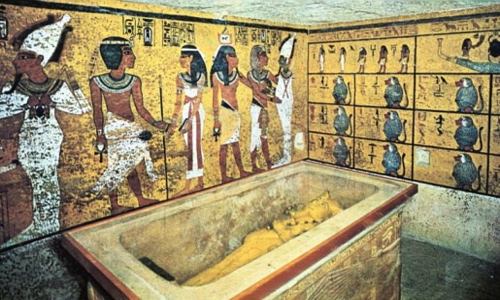
King Tut burial siteKing Tut’s Death Was an Accident

The speculation was that the boy king died at 19 from a blow to the head at the hands of a jealous rival. Studies by experts more recently have concluded that the damage to his skull likely came during the embalming process. That leaves a burning question: How did King Tut die? A 2005 study indicated that he broke his leg and developed an infection. One hypothesis is that he fell off a chariot while hunting, breaking his leg. Further, 2010 DNA testing suggested that Tutankhamen had malaria, exacerbating the leg infection that caused him to fall. These theories are not confirmed. There is also the speculation that he was felled by an enraged hippopotamus.
kingtutKing Tut’s DNA Is Closest to Sub-Saharan Africans

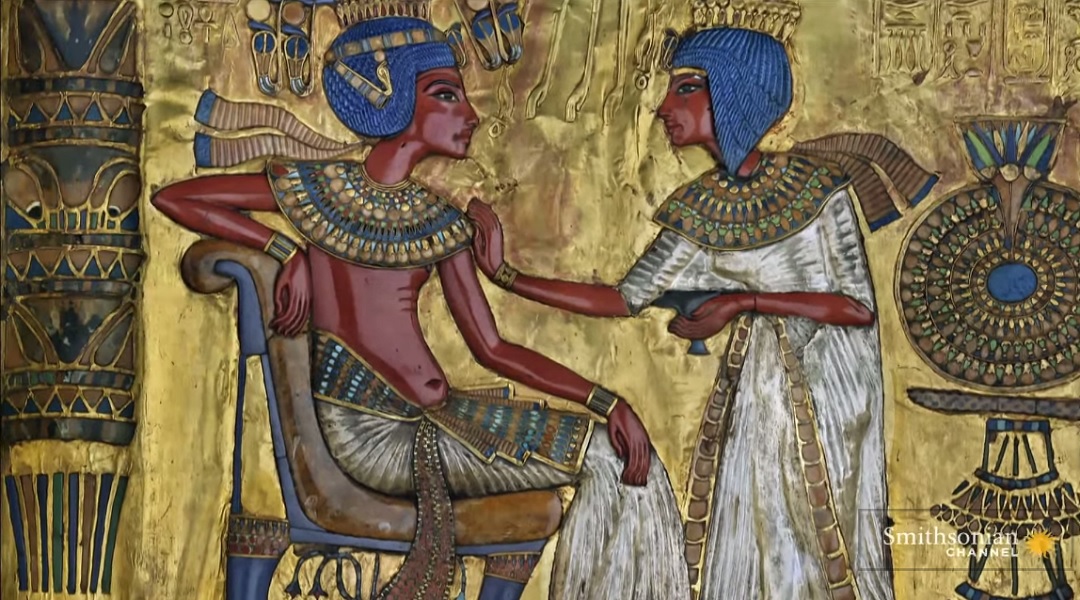
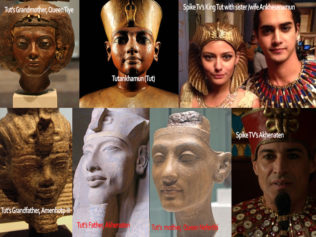
DNATribes, a genomics company that specializes in tracing individuals’ ancestry to certain global populations,  tested the published STRs profiles (DNA samples) of Tutankhamen and family. Their researchers reported that the closest living relatives of Tut and the mummies of his family members are sub-Saharan Africans, especially those from Southern Africa and the Great Lakes region.
Democracy needs journalism it can trust.

This election season, the stakes are higher than usual — and so is the pressure on newsrooms to soften their coverage, stay quiet, or just disappear. Independent reporting, the kind that answers to readers instead of advertisers or political pressure, matters more in a moment like this, not less.

For over 14 years, Atlanta Black Star has stayed independent and reader-funded. We have no corporate owner and no shareholders telling us what to cover or how to cover it. That independence is also our biggest vulnerability: nothing protects it except readers choosing to fund it directly.

Newspaper ad revenue has fallen more than 80% since 2005, and local newsrooms are closing at a rate of roughly two a week nationwide. When outlets go under in a moment like this, it's rarely the independent, reader-funded ones that get to stick around.

We know a request for support isn't why you came here. But without readers choosing to fund this work directly, the depth of reporting we can do at home and abroad shrinks along with everyone else's. If you're not in a position to give, that doesn't change how much we value you as a reader.

If you are able to, a recurring contribution does more for us than a single one-time gift, because it lets us plan the next investigation instead of just the next invoice. It takes about 30 seconds, no long form, no account. Thank you for continuing to support independent journalism and freedom of the press.

Back to top