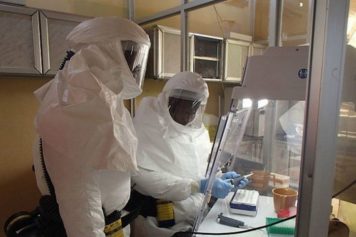
 The proteins found in the blood of survivors of Ebola may be used to cure others, according to one Vanderbilt University researcher looking to improve the current drug on the market, ZMapp.
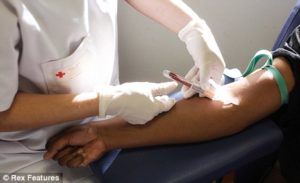
Dr. James Crowe is working with private drug maker Mapp Bio-pharmaceuticals under a grant with the National Institutes of Health (NIH) to manufacture the antibodies found in the blood. One donor is Dr. Rick Sacra, a physician who contracted Ebola while volunteering in Liberia with the Christian missionary group SIM USA.
Dr. Sacra says in a news release, “They can take antibodies they find in my blood and map them out. They are looking for the ones that are most important in neutralizing the virus.”
The current drug, ZMapp, is a compound of three antibodies that have each been shown to be effective in treating Ebola infections.
Scientists will examine a special type of white blood cells called B cells and create a drug using monoclonal antibodies that target the virus.
Dr. Crowe also claims to have been in discussions with U.S. health officials about clinical trials for drugs developed from survivors’ antibodies. It’s possible that trials could begin in late spring or early summer of 2015.
The disease has so far killed nearly 7,000 people in Liberia, Sierra Leone, and Guinea—the most afflicted countries in this current outbreak.
S.C. Rhyne is a blogger and novelist in New York City. Follow the author on Twitter @ReporterandGirl, http://Facebook.com/TheReporterandTheGirl and visit her website at http://www.SCRhyne.com