The most consistently devastating injury in sports is the torn ACL (anterior cruciate ligaments) in the knee. In most cases, players take close to a year to return to action. Jabari Parker, the No. 2 pick in the June NBA Draft of the Milwaukee Bucks, suffered the debilitating injury last week. How he comes back from it is a mystery. Some like Kyle Lowery of the Toronto Raptors returned from it and have flourished. Others just are not the same. Here are five who lost a step or two, turning potentially all-time careers into something slightly or significantly less.
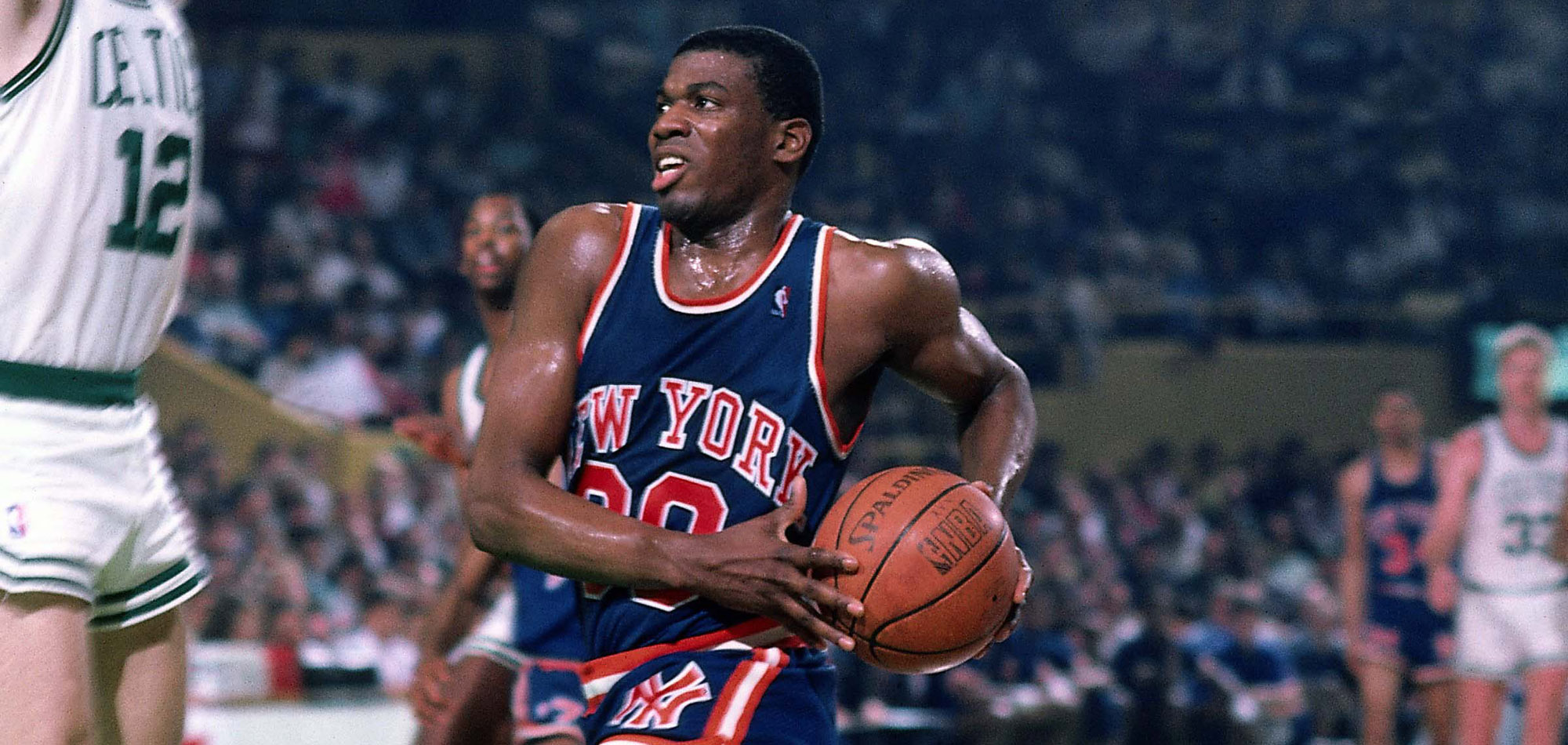 Bernard King
Before he sustained his knee injury on March 23, 1985, Bernard King was among the most lethal small forwards in the game with the New York Knicks. He was averaging 32.9 points a game at the time. His devastatingly quick release, superb mid-range game, skillful post-up moves and ability to finish the fast break made him a feared player. In 1984 “Bernard was the No. 1 player I hated to play against,” Hall of Famer Dominique Wilkins said. How awesome was King? He was the first player in NBA history to score 50 points on back-to-back nights. He had 50 against San Antonio and then 50 on the Dallas Mavericks the next night—both games on the road. Repairing the ACL was a mystery at the time King got hurt, so it took him two years of private rehab to return. He never got to play with Patrick Ewing. He was released and joined the Washington Bullets (now the Wizards) in 1987 and made the all-star team in 1991. Before the injury, King averaged 25.2 in the previous five years. In the five years after the injury, he averaged 22.8, which is nothing to dismiss. But he was less explosive and more cunning.


