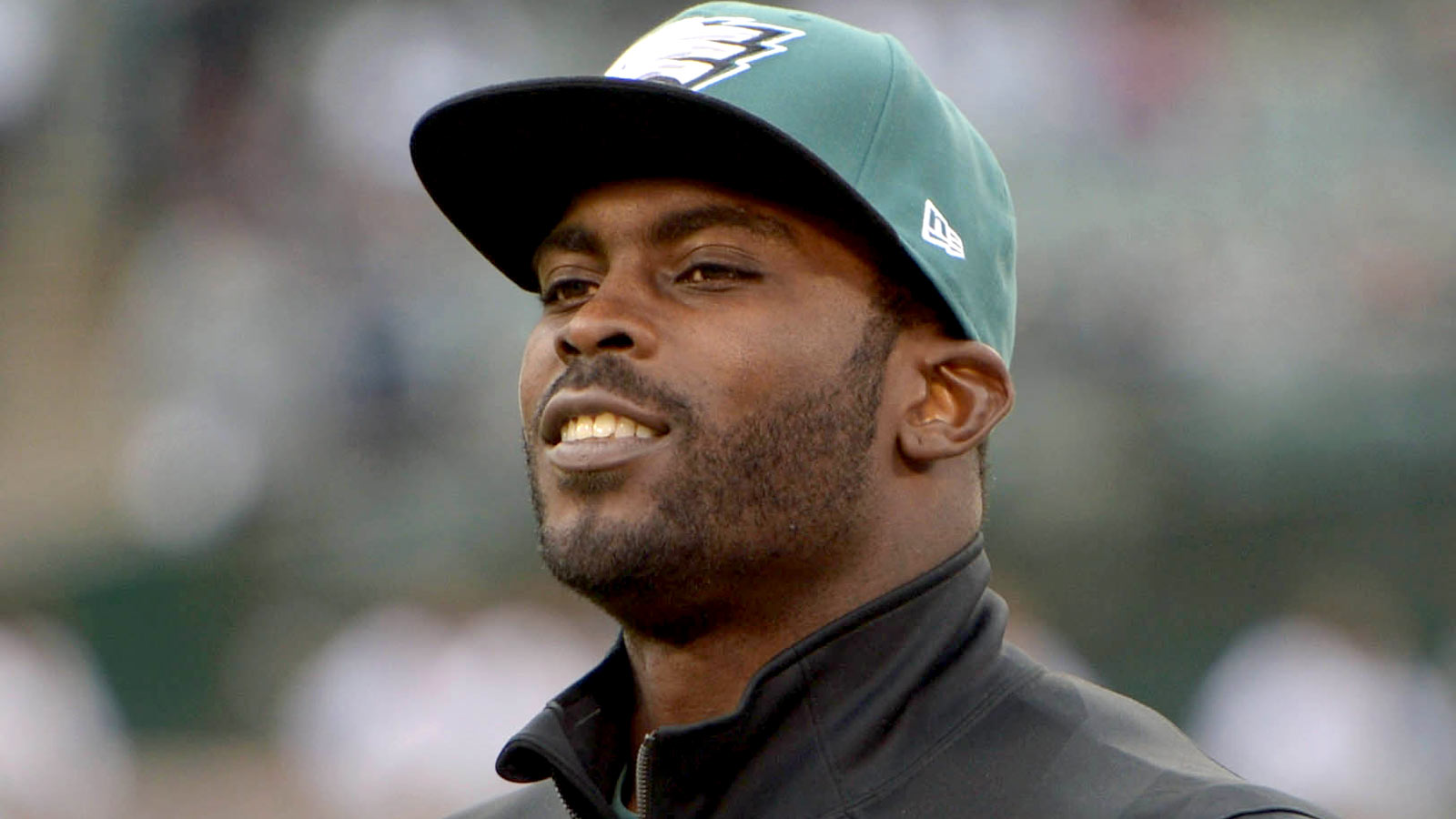
 Next month, Michael Vick will be finished paying off almost $18 million in debt he was saddled with after a conviction for financing a dogfighting enterprise stripped him of his contract worth more than $100 million with the Atlanta Falcons, all his endorsements and his savings.
Talk about a story of redemption. . .
Vick spent almost two years in prison. A lot of people believed his punishment was too harsh for the crime. Some thought he should never play in the NFL again. Vick got out, was reinstated and claimed to be a reformed man. He signed with the Philadelphia Eagles and, after a stint as a backup, won the starting position and played brilliantly enough for a time to earn a six-year, $100-million deal—the first player in NFL history to receive two $100-million contracts.
Hence, he has been able to slowly get his finances in order. But that’s not the main story. The main story is who Vick has become since his experience in prison. He did not let it crack him; it strengthened him.
And with so many Black men who are in or have been in prison, his ascension from persona non grata exists as a tangible example of what can be done with a second opportunity.
In the seven years since Vick has been released, the incidents that were common before his troubles—no show for a hearing on Capital Hill, late for appointments, minimal work off the field, late-night carousing—have been squashed. Just as he said they would. The number of cynical eyes on him were plentiful, and he has not had a misstep.
Even the way he communicates shows a man who took his freedom as an inspiration to better himself, not wallow in self-pity.
“I feel blessed because I came out and found myself in a position where I had a lot of people that really believed in me, people who gave me an opportunity,” he told ESPN. “At the time, it wasn’t about trying to fulfill all the bankruptcy needs. I was trying to fulfill all the needs that I had in my life because I had nothing.”
Vick could have filed for Chapter 7 bankruptcy years ago and had his debts forgiven, but he instead filed for Chapter 11 bankruptcy and worked to pay back what he owed (which included $6.5 million to the Falcons for a 2004 signing bonus). He has made about $49 million in the last four years between the Eagles and New York Jets, where he is a backup. But has lived on a $300,000 budget, as 50 percent of his earnings went to creditors.
Joseph Luzinski, the trustee who is charged with handling Vick’s bankruptcy payment, said of Vick: “What Michael did was the exception, not the rule,” Luzinski said, according to ESPN. “He didn’t have to do this. The law allows you to skate by and pay your creditors 10 or 20 cents on the dollar, but he thought this was the right thing to do.”
To be where he is now after where he was speaks to the power of will. Vick reversed himself, endured the punishment of his ways and seemingly came out a better man on the other side.