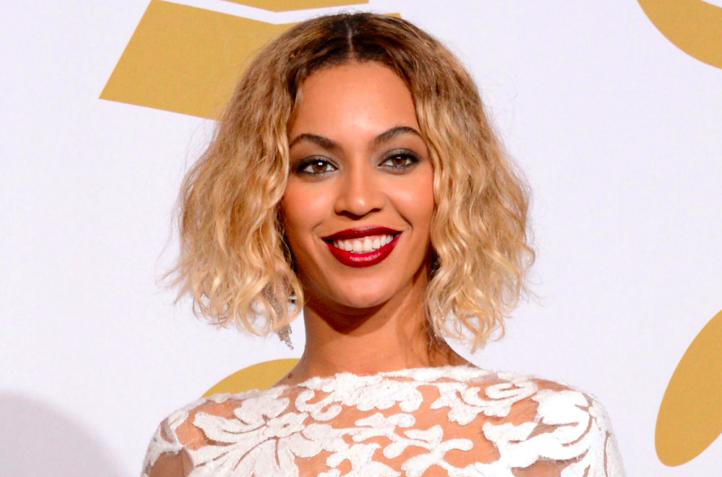
 The nominations for the 57th Grammy Awards came out this past weekend and while the usual suspects were among the lineup of nominees—Pharrell, Chris Brown, etc.—what was really notable was how few nominations fan favorite Beyoncé received.
Notable, but not surprising for the Grammys.
She received small nominations like best R&B Performance for “Drunk in Love” with her husband Jay-Z and a nod for Album of the Year for her surprise self-titled album, but she was snubbed for major categories like Record of the Year and Song of the Year, replaced with the likes of Taylor Swift and newcomer Iggy Azalea’s “Fancy.”
Beyoncé is the Grammys most-nominated woman in history, with 47 nominations over the course of her career, but even she is not immune to the systemic racism of the awards ceremony. She might have a plethora of Grammys but the singing titan has received most of her wins and nominations from lower categories in fields for Urban Contemporary and R&B.
But none of this is surprising, really. The Grammys has a long standing of snubbing people of color for large nominations.
In the history of the Grammys, only three Black artists have won in top categories: Beyoncé for “Single Ladies,” Luther Vandross for “Dance with My Father” and Ray Charles for his duet with Norah Jones “Here We Go Again.”
Last year was no different.
“In last year’s top categories, you could get recognized as a person of color in one of two ways: Either 1) you were a back-up performer on someone else’s song (Pharrell and T.I. on “Blurred Lines”), or 2) you reminded Grammy voters of white music they like (Bruno Mars doing his best Sting impression on “Locked Out of Heaven”)” writer Nico Lang wrote in the Daily Dot.
The Grammy’s racial bias came to an undeniable head when Kendrick Lamar’s “Good Kid, M.A.A.D” got bested by Macklemore’s arguably pop album for Best Rap Album of the Year at the last awards ceremony.
After the win, Macklemore sent a long, self-deprecating text to Lamar describing how bad he felt for beating Lamar as he felt that the “Swimming Pools” rapper should have won. Which was all well and good, until Macklemore posted his text on Instagram and it turned into more of a publicity stunt than a sincere apology.
“I think it was uncalled for, to be 100 with you,” Lamar told Vibe of Macklemore’s text. “When he sent it to me, I could see him feeling that type of way because he’s a good dude. But I think for confirmation from the world, he probably felt like he had to put it out there, which he didn’t need to do. But that don’t take nothing from him anyway, because I know where his heart is at. He cool.”
The trend with the three previous Black winners in the top categories is that they are non-threatening. Their music is somewhat non-confrontational; it’s easy to close your eyes, listen to their music and forget about all the problems facing Black people.
In 2013, Kanye West outlined this trend perfectly, saying:
“I’m 36 years old and I have 21 Grammys. That’s the most Grammys of any 36-year-old. Out of all of those 21 Grammys, I’ve never won a Grammy against a white artist. So when the Grammy nominations come out, and ‘Yeezus’ is the top one or two album on every single list, but only gets two nominations from the Grammys, what are they trying to say? Do they think that I wouldn’t notice? When you see me talking about what people are doing when I say ‘marginalized’, when I say ‘boxed in’, when I say ‘hold back’ when I say ‘people are afraid of the truth’, that’s one example right there in front of you.”