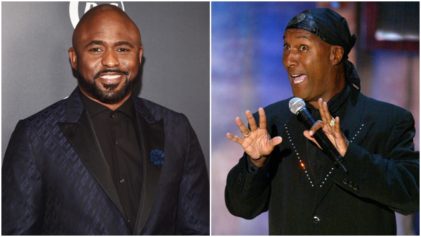
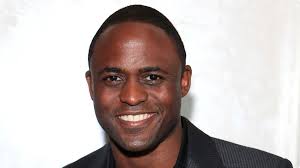
 Wayne Brady, the comedian and TV host of shows like “Who’s Line Is It Anyway” and “Let’s Make A Deal,” opened up about his personal struggle with depression in an interview with Entertainment Tonight.
Brady spoke about how his celebrity doesn’t exempt him from being a human and feeling depressed. He revealed that his lowest moment was in June on his 42nd birthday. Brady told ET’s Nischelle Turner, “I was there by myself, in my bedroom and I had a complete breakdown.”
That breakdown led Brady to turn around and he said, “‘Ok, I’ve got to make a change.’”
There is still a considerable stigma attached to mental illness and depression in the Black community, making many African-Americans reluctant to seek help—and more likely to let the depression overwhelm them. Depression and illness can manifest themselves in many other ways besides suicide, such as domestic abuse, child abuse and alcoholism and drug use.
Brady credits his daughter and his ex-wife Mandie Taketa, who co-parents with Brady, for making him feel better. His advice for those battling depression was direct.
“Just to admit that you are feeling this way is a huge step…to say ‘Let me do something about this,’” he said.
An article in everydayhealth.com revealed that a 2010 study by the CDC found that African-Americans have the highest rate of current depression at 12.8 percent. People diagnosed between the ages of 18-24 are at the greatest risk of self-harm. According to the CDC, women, Blacks, Hispanics, non-Hispanic persons of other races or multiple races are more likely to be depressed. Also persons who have been previously married, unable to work, unemployed or those who don’t have health insurance.
Unfortunately, the Black community has lost some very special people to the battle against depression and mental illness.
Karyn Washington, founder of “The #DarkSkinRedLipProject” and creator of the blog “For Brown Girls,” committed suicide on April 8. Last year her mother passed away and it was reported that she had been struggling with depression since then.
The 29 year-old actor Lee Thomson Young died from a self-inflicted gunshot last August. Doctors reported that he had been struggling with bipolar disorder for some time.
Freedie E, a rapper from Seattle, tweeted to his fans about his loneliness before shooting himself in January 2013.
Shakir Stewart, Def Jam Records Executive Vice President, committed suicide in 2008 for unknown reasons. His former fiancee Michelle Rivers told Rolling Stone magazine that she felt he was “in deep pain and largely suffering in silence.”
Wayne Brady’s brave choice to step out and show the world and the Black community that he has gone through depression may be the encouragement that some need to realize they shouldn’t be ashamed. By admitting his own pain and choosing to do something about it, Brady has set an exemplary example of how Black men and women don’t have to suppress their pain.