5 Black Women Poets Everyone Should Know

Warsan Shire was born in Kenya in 1988 to Somali parents and raised in Britain. She rose to prominence when her poem For Women Who Are Difficult to Love went viral in 2011. Since then she has earned quite a few accolades including the Brunel University’s inaugural African Poetry Prize, an award earmarked for poets who have yet to publish a full-length poetry collection in April 2013. Later that same year, Shire was selected from a shortlist of six young bards as the first Young Poet Laureate for London.
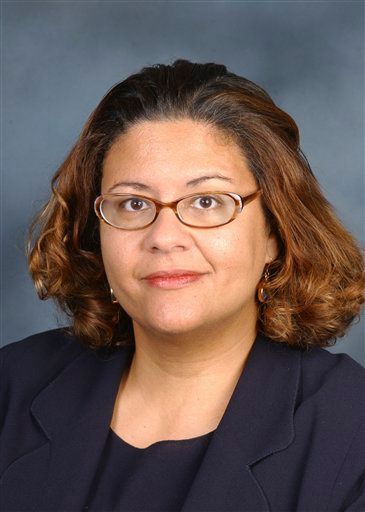
 photo 278b6698-8f54-44bd-8167-4d1304b9f28f.jpg

Elizabeth Alexander is a poet, essayist, playwright and teacher born in New York City and raised in Washington, D.C.

She has published five books of poems including Antebellum Dream Book (2001) and American Sublime (2005), which was one of three finalists for the Pulitzer Prize. In addition to the books, Alexander has two collections of essays: The Black Interior (2004) and Power and Possibility (2007).

Alexander is the first recipient of the Alphonse Fletcher Sr. Fellowship for work that “contributes to improving race relations in American society and furthers the broad social goals of the U.S. Supreme Court’s Brown v. Board of Education decision of 1954.”

Democracy needs journalism it can trust.

This election season, the stakes are higher than usual — and so is the pressure on newsrooms to soften their coverage, stay quiet, or just disappear. Independent reporting, the kind that answers to readers instead of advertisers or political pressure, matters more in a moment like this, not less.

For over 14 years, Atlanta Black Star has stayed independent and reader-funded. We have no corporate owner and no shareholders telling us what to cover or how to cover it. That independence is also our biggest vulnerability: nothing protects it except readers choosing to fund it directly.

Newspaper ad revenue has fallen more than 80% since 2005, and local newsrooms are closing at a rate of roughly two a week nationwide. When outlets go under in a moment like this, it's rarely the independent, reader-funded ones that get to stick around.

We know a request for support isn't why you came here. But without readers choosing to fund this work directly, the depth of reporting we can do at home and abroad shrinks along with everyone else's. If you're not in a position to give, that doesn't change how much we value you as a reader.

If you are able to, a recurring contribution does more for us than a single one-time gift, because it lets us plan the next investigation instead of just the next invoice. It takes about 30 seconds, no long form, no account. Thank you for continuing to support independent journalism and freedom of the press.

Back to top