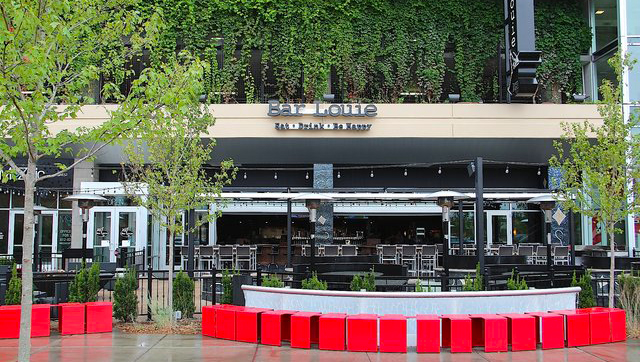
 Bar Louie, a sports bar in Minneapolis, has been accused of racial profiling after they implemented a new dress code that seems to be aimed at fashion trends that have become widely popular in the African-American community.
Flat-billed hats, athletic apparel, sleeveless undershirts and large chains are only a few of the fashion trends that have become increasingly trendy in the Black community thanks to hip-hop culture.
These are also the latest dress code violations at Bar Louie.
Citizens in the area have slammed the dress code as “the new Jim Crow” and “systematic oppression” of Blacks.
A new sign that has been posted outside the bar warns would-be patrons that there are some new regulations about what they can wear inside the sports bar.
The sign lists the following dress code violations:
• Flat-billed hats
• Large chains
• Sleeveless under shirts
• Long white T-shirts
• Athletic apparel
• Sports jerseys without collars
• Excessively baggy clothing
In addition to specifically addressing clothing from the hip-hop culture, the strict dress code is quite odd considering the venue is a sports bar.
The bar’s manager, however, says local management had nothing to do with it.
Instead the manager insisted that the corporate office handed down the dress code.
The same corporate office allegedly instructed another Bar Louie franchise in Tennessee to change their dress code regulations as well, to make sure all patrons had their hats facing forward.
 “You might as well say, ‘No Black folks allowed,’ “ said Michelle Horovitz, who called Fox 9 when she saw the sign outside the bar. “It’s ridiculous.”
Horovitz added that the establishment might as well put a sign on the door that says they don’t want African-American customers instead of trying to “break it down to the dress code.”
“If they don’t want us here, then we don’t have to be there – and that’s their loss,” she said.
As it turns out, the bar already received pretty poor reviews on social media anyway. Offending such a large demographic with an overtly racist dress code was the last thing Bar Louie needed.
Either way, Horovitz felt that the problem was even bigger than just one bar – it’s a statewide issue.
“Minnesota might be the nicest, healthiest, cleanest state in America, but we have huge issues as far as segregation, racism, systematic oppression – and people want to look the other way,” she told Fox 9. “This is not OK, and we’re not going to patronize you if you don’t change your policy.”