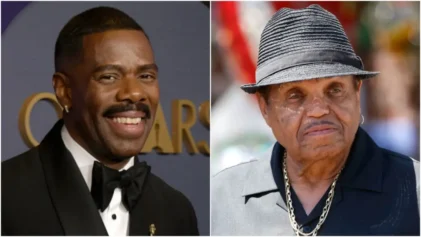
5 Black Celebrities Who Became Super Rich But Died in Debt

Michael Jackson (Aug. 29, 1958 – June 25, 2009)

After selling more than 750 million albums worldwide and making millions through commercial endorsements, as well as buying The Beatles’ music rights, it’s difficult to believe the King of Pop could ever be short of money. However, at the time of his death, it was reported by Forbes that Michael Jackson was in $500 million worth of debt.

With a Neverland Ranch to maintain, the singer spent $35 million improving the property, which featured two railway lines, two helicopter pads, its own fire department, a zoo and a plethora of amusement park-style rides. Seventy-five cars and lavish gifts, such as the $637,000 necklace he bought for actress Elizabeth Taylor, also contributed to some of his outrageous expenses. He was also reported to have spent $25,600 a month on “medical needs.” The problem was that his appetite for spending exceeded the money he brought in — to the tune of $20 million to $30 million each year.

When the Michael Jackson Estate filed its estate tax return, it reportedly claimed his assets were worth only $7 million as of the day he died. The IRS had a slightly different view, estimating the total to be more than $1 billion … and as much as $1.5 billion, in fact. It says that the estate under-reported his assets so significantly that the estate owes a tax bill of $702 million. The estate disagrees and has sued the IRS.

Jackson’s estate worth is still being disputed to this day.

Democracy needs journalism it can trust.

This election season, the stakes are higher than usual — and so is the pressure on newsrooms to soften their coverage, stay quiet, or just disappear. Independent reporting, the kind that answers to readers instead of advertisers or political pressure, matters more in a moment like this, not less.

For over 14 years, Atlanta Black Star has stayed independent and reader-funded. We have no corporate owner and no shareholders telling us what to cover or how to cover it. That independence is also our biggest vulnerability: nothing protects it except readers choosing to fund it directly.

Newspaper ad revenue has fallen more than 80% since 2005, and local newsrooms are closing at a rate of roughly two a week nationwide. When outlets go under in a moment like this, it's rarely the independent, reader-funded ones that get to stick around.

We know a request for support isn't why you came here. But without readers choosing to fund this work directly, the depth of reporting we can do at home and abroad shrinks along with everyone else's. If you're not in a position to give, that doesn't change how much we value you as a reader.

If you are able to, a recurring contribution does more for us than a single one-time gift, because it lets us plan the next investigation instead of just the next invoice. It takes about 30 seconds, no long form, no account. Thank you for continuing to support independent journalism and freedom of the press.

Back to top