Source: Washington Post
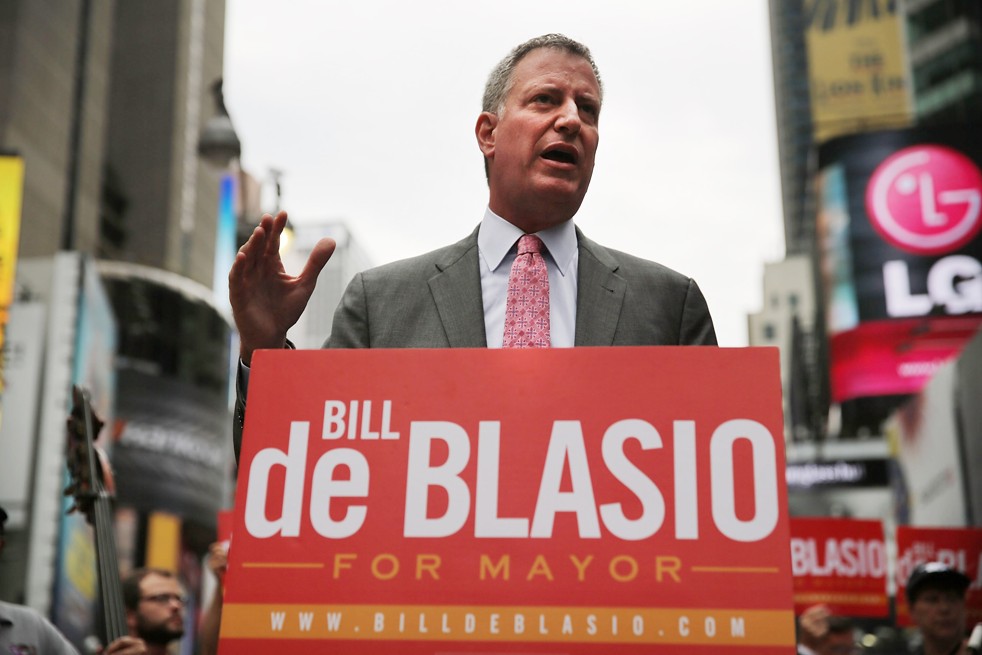
Community advocates and New York politicians, including New York City Mayor Bill de Blasio, are fed up with the high number of low-level marijuana possession arrests, claiming they are “unproductive” and taking police efforts away from “serious crime.”
The state of New York considers less than 25 grams of marijuana as a low-level possession.
The New York City Police Department promised citizens it would reduce the number of these low-level marijuana arrests – especially in Black and Latino communities – and while it has technically kept that promise, neighborhood advocates say the change hasn’t been drastic enough.
According to U.S. Rep. Hakeem Jeffries, D-N.Y., “The new administration promised change, but instead [the community] got more of the same.”
During the first fourth months of 2014, there have been 9,500 arrests for low-level marijuana possession.
During the first four months of 2013, the number of low-level marijuana arrests hit 10,200, meaning the arrests have decreased by only 7 percent.
For the months of March and April, however, low-level marijuana possession arrests were actually up from last year.
“Those were unproductive arrests, and that the real thing we’re looking for is serious crime,” the mayor said.
The mayor also said he believes these statistics will eventually decrease, but advocates aren’t so sure that the NYPD will keep its promise.
A major concern that the community faces is an apparent focus on race when police look to make these types of arrests.
“We’ve talked to a lot of white marijuana consumers in the city who speak very openly about their marijuana use and that they use it publicly,” said Gabriel Sayegh of the Drug Policy Alliance. “The difference here is that the police are not looking for white marijuana consumers.”
So far more than 85 percent of those arrested for low-level marijuana possession in New York City this year were African-American or Latino.
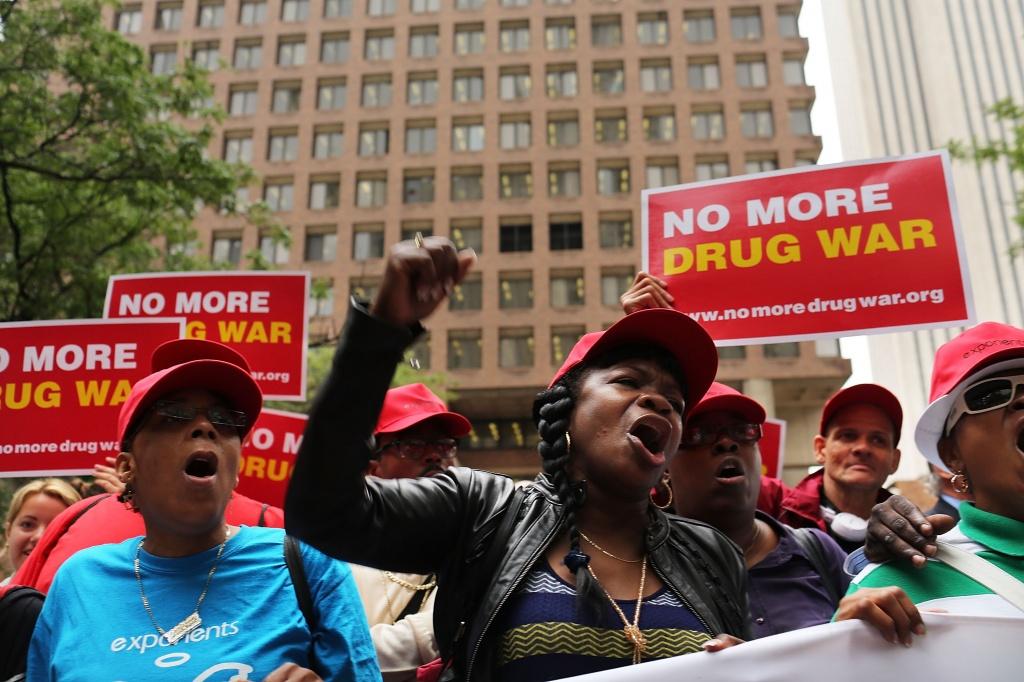
Credit: Spencer Platt/Getty Images
“The overwhelming majority of these individuals were Black and Latino, even though statistics clearly show that whites use marijuana in equal if not higher numbers,” Jeffries added.
While the NYPD has continued to insist there is no real issue here, Brian Root of Human Rights Watch disagrees.
“The truth is that there’s tens of thousands of people that are going to be arrested this year for it unless something changes,” Root said.
Police Commissioner William Bratton said that people of color are not being targeted by authorities, but he did assure citizens that marijuana laws will continue to be studied closely.
“There’ll be continued focus on modification of some of the various laws as it relates to marijuana that would then bring about changes in policies and practices within law enforcement,” Bratton said.
For now, however, the claim of a possible “modification” to current marijuana laws isn’t putting anyone in the community at ease.