Chiquita Bananas
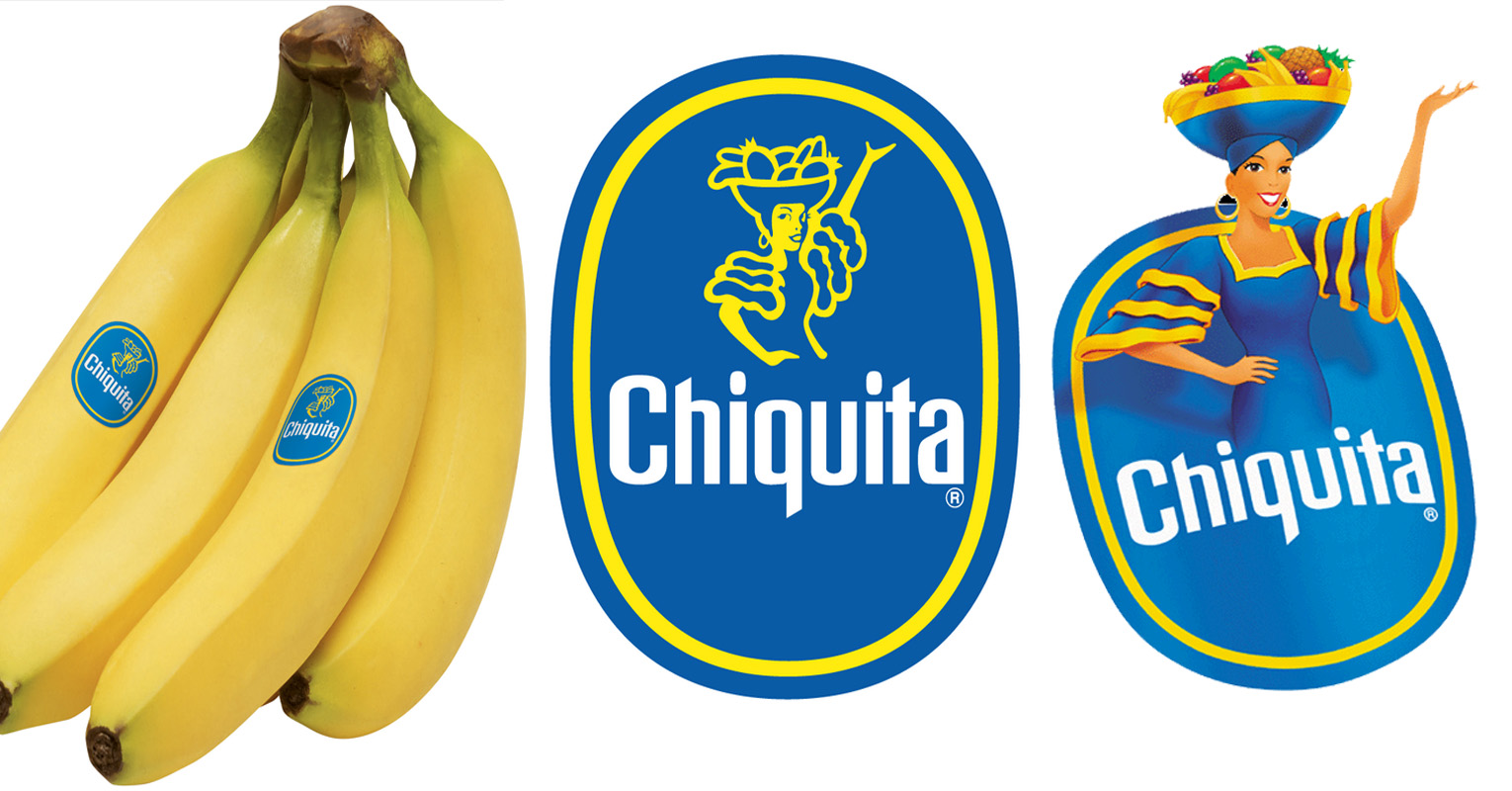
Generations of Americans have grown up eating Chiquita bananas. Some may remember Miss Chiquita, the sexually flamboyant Latin American caricature the banana company used to brand the fruit since 1944.
Miss Chiquita is widely thought to have been inspired by Brazilian actress and singer Carmen Miranda, who appeared in ads for Chiquita bananas. The actress has been accused of promoting the exotic Latina stereotype because she became famous for wearing pieces of fruit on her head and revealing, tropical clothing.
Some critics argue that this stereotype is even more offensive because the women, men and children who worked in banana farms toiled in grueling conditions, often falling gravely ill as a result of pesticide exposure.

Land O’ Lakes Butter
In 1928, officials from Land O’ Lakes welcomed the idea of using a Native-American woman’s image to sell its butter because the company is based in Minnesota — home of Hiawatha and Minnehaha.
H. Mathew Barkhausen III, a writer who is of Cherokee and Tuscarora descent, has criticized the image of the Land O’ Lakes maiden, calling it stereotypical. She wears two braids in her hair, a headdress and an animal skin frock with beaded embroidery. Also, for some, the maiden’s serene countenance erases the suffering indigenous people have experienced in the United States.
“Like the hoary fantasies of ‘Indians’ and ‘Pilgrims’ sharing with quiet reverence the first ‘Thanksgiving,’ the Land O’ Lakes butter maiden helps white Americans sidestep and repress the horrific realities of what white Americans have done to Native Americans,” posts blogger Macon D.