7 Popular Cosmetic Brands That Sell Shameful Skin-Bleaching Products

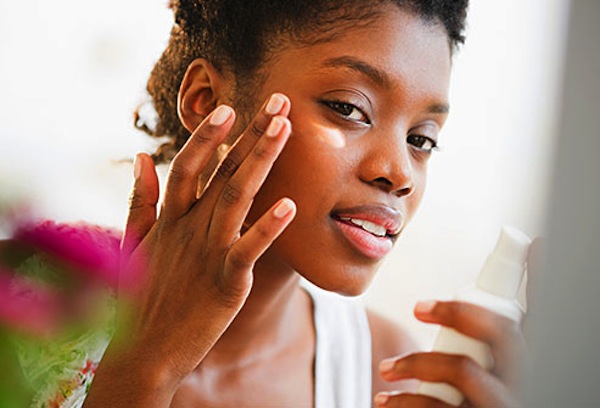
getty_rf_photo_of_woman_using_eye_cream

Skin bleaching is a cosmetic whitening process practiced by people of color all over the world. Under the influence of the European beauty standard, light skin has been associated with attractiveness and a higher social status in many cultures across the globe.

A 2013 report titled “Global Beauty Industry Trends in the 21st Century” stated that 23 percent of global beauty industry sales are derived from skin care products. According to the report, skin care is a growing market, with most of that increase coming from countries in Asia and Africa. This trend has been attributed to the rise in bleaching product sales. India tops the list with 80 percent of all skin-whitening sales within Asia. Nigeria accounts for 77 percent of all bleaching sales in Africa.

The World Health Organization warns that skin bleaching may come with hazardous health consequences. The dangers associated with the use of toxic compounds for skin bleaching can include blood cancers such as leukemia and cancers of the liver and kidneys, as well as severe skin conditions. The organization reports that hardcore bleachers use illegal ointments containing toxins such as mercury, a metal that blocks skin color production properties of melanin.

Democracy needs journalism it can trust.

This election season, the stakes are higher than usual — and so is the pressure on newsrooms to soften their coverage, stay quiet, or just disappear. Independent reporting, the kind that answers to readers instead of advertisers or political pressure, matters more in a moment like this, not less.

For over 14 years, Atlanta Black Star has stayed independent and reader-funded. We have no corporate owner and no shareholders telling us what to cover or how to cover it. That independence is also our biggest vulnerability: nothing protects it except readers choosing to fund it directly.

Newspaper ad revenue has fallen more than 80% since 2005, and local newsrooms are closing at a rate of roughly two a week nationwide. When outlets go under in a moment like this, it's rarely the independent, reader-funded ones that get to stick around.

We know a request for support isn't why you came here. But without readers choosing to fund this work directly, the depth of reporting we can do at home and abroad shrinks along with everyone else's. If you're not in a position to give, that doesn't change how much we value you as a reader.

If you are able to, a recurring contribution does more for us than a single one-time gift, because it lets us plan the next investigation instead of just the next invoice. It takes about 30 seconds, no long form, no account. Thank you for continuing to support independent journalism and freedom of the press.

Back to top