 African-American studies programs at southern Californian universities are in the midst of a ground-breaking overhaul.
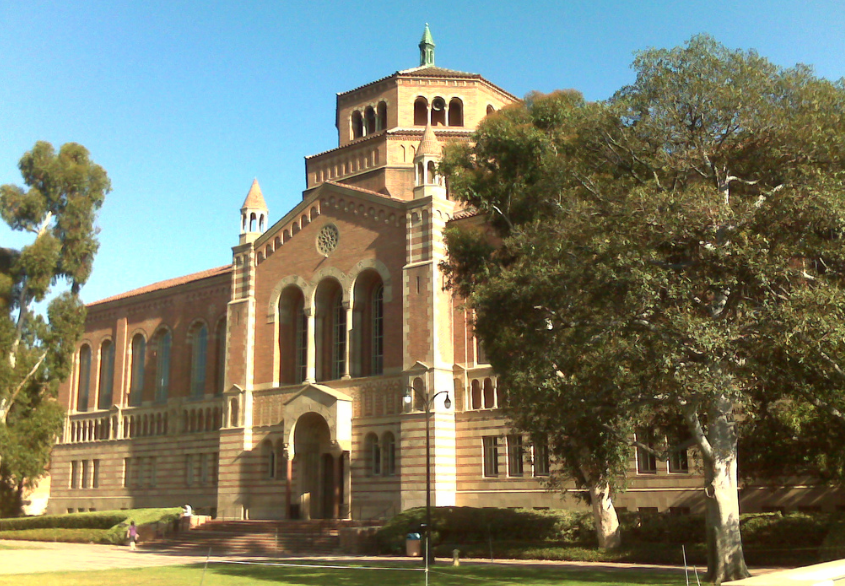
UCLA is preparing to take the final steps toward making their inter-departmental Afro-American Studies program into an African American Studies Department.
Meanwhile, Cal State Northridge will be making a historical change in the fall that will welcome its first Africana Studies Department in over 40 years.
Despite a string of hate crimes hitting UCLA’s campus, it seems that strides toward educational equality for African-Americans are still being made.
It has been a lengthy process, but the university will be entering the final stages of turning their oldest ethnic studies program into a department.
The Afro-American Studies program is currently an interdepartmental program, which severely limits the power that the program’s chair members have.
“As an (inter-departmental programs), we can’t hire people, we don’t have faculty lines to hire on our own, we have to go and beg from other departments,” explained Robin D.G. Kelly, Interim chair of the Interdepartmental Program for Afro-American Studies. “With a department, we can decide who we want to hire. We can make decisions on faculty who fit our model.”
The departmentalization of the program still has to be approved by the university’s Legislative Assembly.
Jan Reiff, the chair of the UCLA Academic Senate, said the decision to approve should be an easy one.
“Students are happy with the curriculum; they’re going on to graduate programs or jobs,” Reiff said. “We didn’t have to do a whole lot of detailed analysis there because it’s successful already.”
In about 12 years, the number of undergraduate students studying Afro-American studies has more than doubled from 23 to 93 in 2012.
While UCLA was doubling its Afro-American studies majors, troubling news came from Cal State Long Beach where a proposal was made last year to demote the Africana Studies Department.
The proposal to demote the department has been met with serious backlash and educators who are willing to fight to keep the department thriving.
The proposal was made last year by the dean of the College of Liberal Arts after there were an insufficient number of tenured faculty in the department.
The creator of the Pan-African and African-American holiday, Kwanzaa, and department chairman, Maulana Karenga, won’t let the department go without a fight.
Karenga has led many demonstrations and protests in opposition to turning the department into a program.
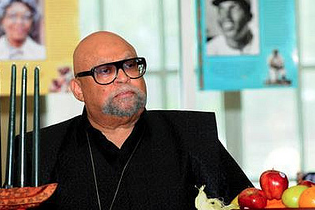
Cal State Long Beach Department Chair Maulana Karenga. All Rights Reserved Clark Photog.
“The reality is it’s about people of color, where they fit in society, how do they get justice, not just in the normal course of the day but in the academy as well as in society and in the corporate world,” he said.
CSU Chancellor Timothy White has temporarily prohibited anyone from moving forward with the demotion.
Cal State Northridge, on the other hand, will welcome its first Africana Studies department in 46 years.
The University decided to change the name of its Pan African Studies Department to Africana Studies after students expressed concerns that the designation on their college degrees did not match the department’s name.
Professor Johnie Scott, chair of the Pan African Studies Department, said the name-change is more significant than matching degrees and department names.
“We are one people, whether we are in Africa, Europe, the Caribbean, Jamaica, the Dominican Republic, South American, Brazil, North America,” Scott said.
The name change will be put into effect at the start of the fall semester.