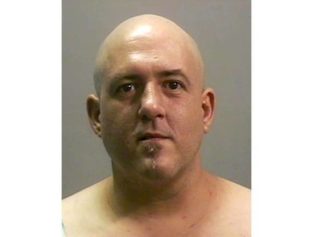
The corruption trial of former New Orleans Mayor Ray Nagin was close to an end today, as federal prosecutors summarized their case against the man who presided over New Orleans during one of the most devastating natural disasters in U.S. history, 2005’s Hurricane Katrina.
“You saw how a mayor on the take operates,” Assistant U.S. Attorney Richard Pickens said during his closing arguments of a trial that stretched over seven days.
The prosecution called two-dozen witnesses, including five who admitted they had bribed Nagin.
The federal government was tasked with proving that Nagin benefited from bribery and kickbacks, allegedly receiving checks, cash, wire transfers, personal services and free travel from businessmen seeking contracts and favorable treatment from the city.
Nagin came to national attention in 2005 when he tried to get federal help for his city in the aftermath of Hurricane Katrina, a saga that thoroughly embarrassed President George W. Bush and his administration.
But now the feds are accusing Nagin of taking more than $200,000 in bribes, while his family members allegedly received a vacation in Hawaii; first-class airfare to Jamaica; private jet travel and a limousine for New York City; and cellular phone service.
Prosecutors allege that the businesses that provided this largesse to Nagin and his family won more than $5 million in city contracts.
Last week, Nagin, who left office in 2010, calmly accused the prosecutors’ key witnesses of lying and the prosecutors of misinterpreting the evidence because he hadn’t bribed anyone.
Nagin’s defense repeatedly said Nagin didn’t have the authority to approve contracts. The defense attorney said the prosecution had no proof that money and material given to the granite business owned by Nagin and his sons were tied to city business.
The charges against Nagin include one overarching conspiracy count along with six counts of bribery, nine counts of wire fraud, one count of money laundering conspiracy and four counts of filing false tax returns.
But complicating Nagin’s defense is the fact that businessmen Frank Fradella and Rodney Williams, who are awaiting sentencing for their roles in separate bribery schemes alleged in the case, each testified that they bribed Nagin.
Nagin said any money paid to him and his family business were instead legitimate investments or innocent trips.
“We wanted to make sure that everything was done fairly,” he said of the contracting process in his administration, “and that there wasn’t any complaints, like the previous administration had, that you got work based on who you knew.”