5 Ways Integration Underdeveloped Black America

 ?????????

Black Family Structure Collapsed After Integration

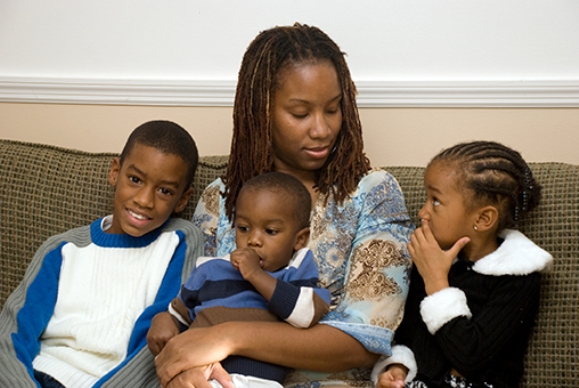
From 1890 to 1950, Black women married at higher rates than white women, despite a consistent shortage of Black males due to their higher mortality rate. According to a report released by the Washington D.C.-based think tank Urban Institute, the state of the African-American family is worse today than it was in the 1960s, four years before President Johnson passed the Civil Rights Act.

In 1965, only 8 percent of childbirths in the Black community occurred out of wedlock. In 2010, that figure was 41 percent; and today, out-of-wedlock childbirths in the Black community is at an astonishing 72 percent.

Researchers Heather Ross and Isabel Sawhill argue that marital stability is directly related to the husband’s relative socio-economic standing, and the size of the earnings difference between men and women.

Instead of focusing on maintaining Black male employment to allow them to provide for their families, Johnson passed the Civil Rights Act with full affirmative action for women. The act benefited mostly white women and created a welfare system that encouraged removal of the Black male from the home.

Many Black men were also dislodged from their families and pushed into the rapidly expanding prison industrial complex that developed in the wake of rising unemployment.


Democracy needs journalism it can trust.

This election season, the stakes are higher than usual — and so is the pressure on newsrooms to soften their coverage, stay quiet, or just disappear. Independent reporting, the kind that answers to readers instead of advertisers or political pressure, matters more in a moment like this, not less.

For over 14 years, Atlanta Black Star has stayed independent and reader-funded. We have no corporate owner and no shareholders telling us what to cover or how to cover it. That independence is also our biggest vulnerability: nothing protects it except readers choosing to fund it directly.

Newspaper ad revenue has fallen more than 80% since 2005, and local newsrooms are closing at a rate of roughly two a week nationwide. When outlets go under in a moment like this, it's rarely the independent, reader-funded ones that get to stick around.

We know a request for support isn't why you came here. But without readers choosing to fund this work directly, the depth of reporting we can do at home and abroad shrinks along with everyone else's. If you're not in a position to give, that doesn't change how much we value you as a reader.

If you are able to, a recurring contribution does more for us than a single one-time gift, because it lets us plan the next investigation instead of just the next invoice. It takes about 30 seconds, no long form, no account. Thank you for continuing to support independent journalism and freedom of the press.

Back to top