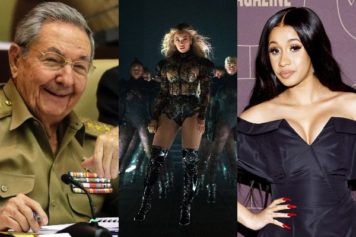
Photo by weeklyus.com.
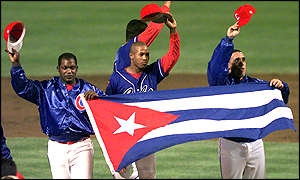
A 50-year ban that prevented athletes from joining foreign teams was lifted by Cuba, presumably opening the way for its best players to sign with Major League Baseball clubs.
This move, approved at a recent session of the Council of Ministers, which is headed by President Raul Castro, is a deviation from the restrictions that were inspired by the small country’s socialist politics.
The groundbreaking position changes things in at least two ways. One, it should minimize the number of players defecting Cuba for the United States to chase their professional baseball dreams. Two, it promises to augment the earning ability of players and others in he game.
At the same time, it was not immediately clear if the ruling would let Cuban baseball players jump to the U.S. major leagues without restrictions imposed by local or U.S. government policies.
Also, Cuban athletes will have to pay taxes on any earnings from foreign clubs, and the 51-year-old U.S. embargo outlaws nearly all American transactions with the Cuban government.
“A change in Cuban laws does not affect our licensing procedure,” said John Sullivan, spokesman for the Treasury Department’s Office of Foreign Assets Control, which enforces limits on transferring money to Cuba.
Granma, the Communist Party newspaper, reported it athletes will be eligible to play abroad as long as they fulfill their commitments at home. For baseball players, who have been stars in the Majors, that requires them to be available for international competitions and the November-to-April Cuban league.
For baseball players who are not good enough to make the Majors, under the new law, they could play in other countries like Japan, Venezuela or Mexico, which has happened before only on rare instances.