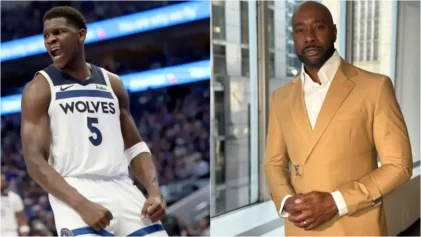
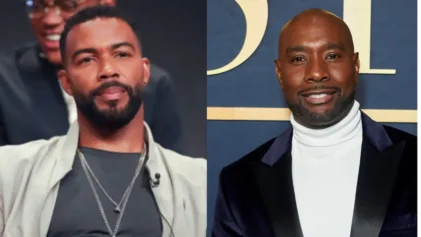
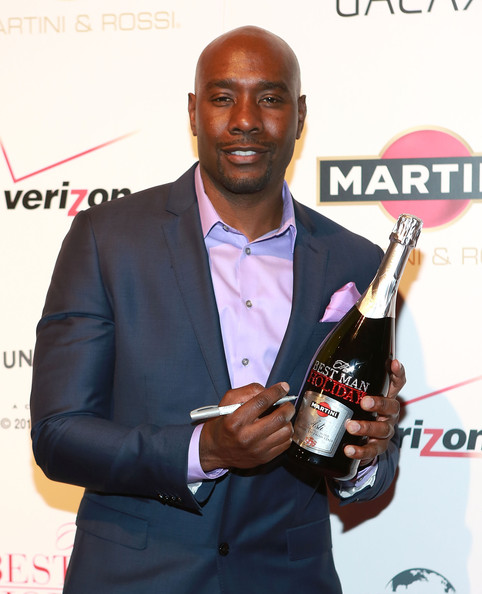
 Morris Chestnut is the man of many women’s dreams, but he revealed that when he first decided to chase the big screen he was not offered a variety of roles because of his dark skin color.
“When I was coming up, it was difficult,” Chestnut explained. “When I was first starting out many, many years ago, gang genre was in. There was some type of skin issue to where they would see the darker-skinned actors for the gang members.”
He added that lighter-skinned actors were given the “good guy” roles.
While Chestnut managed to avoid getting his start through a gang member role, that didn’t mean he wasn’t put in the same box that the industry had created for darker-skinned actors.
Chestnut got his start in the classic film Boyz N the Hood, where he had the role of a football player who experienced the same tragic death as a gang member would have had.
By the end of the ‘90s, however, the tables started to turn in Chestnut’s favor, as darker-skinned actors were finally starting to break the mold that had once kept them constrained to a small pool of roles.
According to the “Best Man Holiday” actor, he has Wesley Snipes to thank for that.
“It was until, really, Wesley Snipes came and kinda just bust the mold open,” he said. “He did play the gang member in New Jack City, but when he was in Mo’ Better Blues and he was on the balcony doing his thing, women started saying, ‘Hmmm. That’s kinda sexy.’ Wesley kinda ushered it in for us.”
While progress has been made when it comes to seeing more dark-skinned actors on the big screen, there is still much more work to do.
From racism to colorism, there are still many prejudices that are holding back some talented African- American actors from landing lead roles on the big screen.