The Dutch see themselves as tolerant pragmatists, especially adaptable when social harmony or commercial interests demand it of them.
But that self-image has taken a battering in recent weeks as a growing chorus of voices inside and outside the country protest against a Christmas tradition that many Dutch see as harmless fun, but critics say is racist.
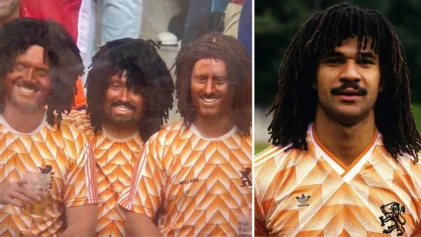
According to the folklore, Saint Nicholas arrives in the Netherlands in mid-November accompanied by his servant Black Pete – a role usually played by a white man in “blackface” with a curly wig and large, red-painted mouth.
Now the Dutch are being forced to confront the possibility that their enormously popular Christmas tradition might point to a latent racism which many thought was anathema to their culture.
Few debates have stirred such emotion among the cool-headed Dutch. Millions flocked to “like” a Facebook page backing Black Pete after an independent expert, who reports to the U.N. Human Rights Council, criticized the tradition.
Prime Minister Mark Rutte has rejected depictions of the Netherlands as insular and xenophobic.
“I do not recognize ourselves in that portrayal,” he told reporters last week when asked whether the Netherlands no longer tolerated outsiders.
But that is the point that has been exposed by the debate, according to Quinsy Gario, an artist who has campaigned against the Black Pete tradition for years.
“We’ve lied to ourselves about our tolerance for so long that we don’t recognize discrimination anymore,” he said. “There has been structural exclusion of minorities for decades.”
He said the children of the many immigrants to the Netherlands were becoming increasingly vocal about confronting signs of racism that their parents may have chosen to ignore.
“You have third- and fourth- generation people who see it as their own country and they want to take responsibility for their own and their kids’ sake,” he said.
Read the entire article on Reuters