Last month Nielsen released its report Resilient, Receptive and Relevant highlighting the spending habits of African-Americans in the United States. The document, filled with usable data does not adequately address the opportunities for Black entrepreneurs.
Atlanta Black Star has extracted the five industries we believe Black entrepreneurs should dominate. There are already positive signs in each industry, but the opportunities remain plentiful.
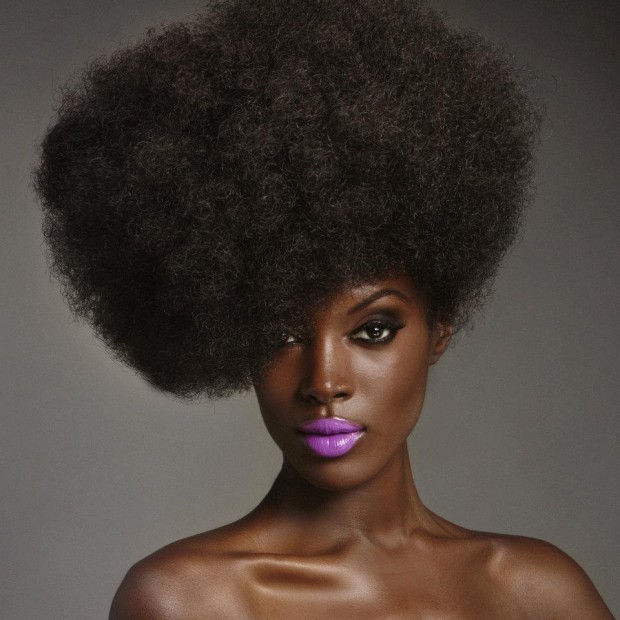
Beauty and Personal Care
Essence’s 2009 Smart Beauty research study found that African-American women spend $7.5 billion annually on beauty products and spent 80 percent more on cosmetics and skin-care products than the general market. According to celebrity makeup artist Sam Fine, Black women are spending more at the counter because “there’s little satisfaction. She keeps buying with the hope that this product will do what it’s supposed to do.”
Good news: Brands like Iman Cosmetics are generating over $25 million a year in revenue.
In addition, Black women have decreased millions of dollars spent on relaxers and weaves as they transition to natural hair care.
According to a 2009 study by Mintel, an international market research firm, big brands like L’Oreal USA and Alberto Culver Company, which account for more than one-third of the market, have both experienced sales declines in recent years thanks to the emerging black-owned natural hair market.
Earlier this year, Michael O’Neil, vice president of sales at Ultra Distributors revealed that the combined annual revenue of major natural hair brands Mixed Chicks, Curls, Kinky-Curly, Miss Jessie’s, Shea Moisture and Jane Carter Solution has soared from less than $10 million in 2009 to about $150 million.
Sources: www.wwd.com, www.businessweek.com