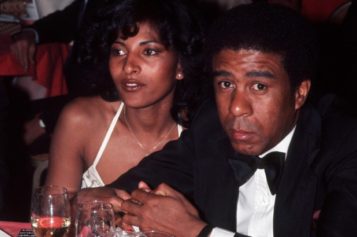
Harry Belafonte, Martin Scorsese Team up For Miniseries on Leopold II’s Massacre of Millions in The Congo

Acclaimed director Martin Scorsese is working with veteran actor Harry Belafonte to bring to the small screen a miniseries chronicling the atrocities of King Leopold II, the Belgian king from 1865 to 1909, who was responsible for the deaths and mutilations of millions of Congolese during Belgium’s occupation of the Congo.

Leopold, known as “The Butcher” of the Congo, became rich by enslaving Africans and exploiting their natural resources – specifically rubber – a commodity that was booming as Europe underwent the industrial revolution.

Belgium is one of the richest countries in the world and built its wealth with the lives and limbs of the people of the Congo, a nation rich in minerals that remains one of the poorest on the planet.

During his reign over Congo, The Butcher had approximately 10 million Congolese mutilated and massacred, cutting off their hands and genitals, starving them, burning their villages and ordering them beaten to death.

Deadline reports that Scorsese and Belafonte are currently gathering source material and interviewing writers. Scorsese is planning to direct the first episode, and then secure top names to direct the rest.

Democracy needs journalism it can trust.

This election season, the stakes are higher than usual — and so is the pressure on newsrooms to soften their coverage, stay quiet, or just disappear. Independent reporting, the kind that answers to readers instead of advertisers or political pressure, matters more in a moment like this, not less.

For over 14 years, Atlanta Black Star has stayed independent and reader-funded. We have no corporate owner and no shareholders telling us what to cover or how to cover it. That independence is also our biggest vulnerability: nothing protects it except readers choosing to fund it directly.

Newspaper ad revenue has fallen more than 80% since 2005, and local newsrooms are closing at a rate of roughly two a week nationwide. When outlets go under in a moment like this, it's rarely the independent, reader-funded ones that get to stick around.

We know a request for support isn't why you came here. But without readers choosing to fund this work directly, the depth of reporting we can do at home and abroad shrinks along with everyone else's. If you're not in a position to give, that doesn't change how much we value you as a reader.

If you are able to, a recurring contribution does more for us than a single one-time gift, because it lets us plan the next investigation instead of just the next invoice. It takes about 30 seconds, no long form, no account. Thank you for continuing to support independent journalism and freedom of the press.

Back to top