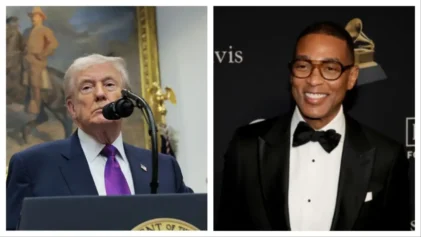
CNN anchor Don Lemon continues to deal with the fallout from his “tough love” scolding of the black community over the weekend, even bringing together his own panel on CNN to address some of the harsh condemnation he’s received, including charges that he’s an “Uncle Tom.”
During his initial CNN commentary, Lemon said the recent diatribe by right-wing Fox host Bill O’Reilly about the problems with black culture and black people didn’t go far enough in criticizing the black community. Lemon listed other problems he sees with black people, including sagging pants, the overuse of the N-word, littering in black neighborhoods, dropping out of school, and having babies out of wedlock.
While some analysts have taken Lemon to task for lacking context and perspective in his analysis and for missing the major issues facing black people, like unemployment, radical racial imbalances in criminal sentencing and a failing education system in black communities, Lemon attempted his own damage control by bringing panelists onto CNN to say that his criticisms were accurate.
For the most part, his panelists—who included journalist LZ Granderson and GOP pundit Ana Navarro—agreed with Lemon and said he wasn’t being condescending, he was just giving some much-needed “tough love” to the African-American community.
“What is wrong with telling people to dress appropriately?” Lemon asked the panel. “These are things that I said yesterday that my mom taught me in kindergarten… Dress nicely, speak well, speak appropriately.”
Granderson said that while there’s a certain level of context that needs to be understood in talking about the N-word, the bottom line is that when people walk around with saggy pants and dropping the N-word, they likely won’t get a good job or a “decent date with anyone worth loving.”
“You know what you sound like right now?” Lemon said to Granderson.
“Like a reasonable human being?” Granderson responded.
“It’s really just about respecting yourself,” Lemon said, “You have to make a decision at some point that you are going to be better than your surroundings and your circumstances.”