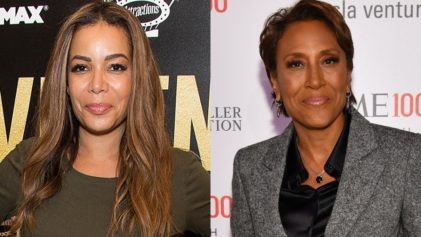
They are courted by presidents and despots, Hollywood heavyweights and superstar athletes. Their decisions, tastes and every last word drive thoughts and behaviors and set a national agenda in ways far more powerful than any 140 characters strung together ever could.
But the past several months have brought a turnabout: The television news anchors, late-night impresarios and executives who make up New York’s vibrant media news culture themselves have become the story.
On April 3, Jimmy Fallon — cast as the reluctant co-star in another NBC drama with Jay Leno — finalized a new deal to become host of the 59-year-old franchise The Tonight Show.
Two days earlier amid retirement reports, Barbara Walters, the tenacious doyenne of the TV interview, offered a typically evasive response as to whether at age 83 she finally might be ready to hang it up: “I have nothing to announce,” she said on The View.
And when Matt Lauer opened his mouth in March to say something — anything — about Ann Curry’s departure from NBC’s Today, the ferocious backlash was felt from Connecticut to California — and all over social media — as the anchor, and the story of his future, suddenly became the story.
Next up? Fox News Chairman Roger Ailes and his cable news empire are the subject of not one but two books — one he cooperated with and one he most definitely did not. Miss the rancor of the last presidential election? Get ready for new ringside seats.
If Washington, D.C.,, has politicians and Hollywood has celebrities, the media power brokers are the personalities who define New York. In this, THR’s third annual list, there are new entrants (Jeff Zucker, Michael Strahan), departed names (did we mention Ann Curry?) and, of course, a mix of the A-list movers and shakers who control what we consume — an influence that extends to entertainment and much, much more…
Read More: hollywoodreporter.com