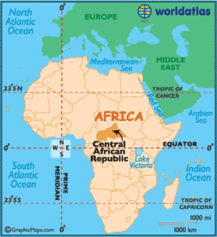
Tumult defines the Central African Republic. The landlocked nation in the heart of Africa is rich in natural resources such as diamonds, gold and uranium, but it remains one of the world’s poorest countries. It has suffered from decades of misrule and coups.
The latest uprising occurred last month, when a rebel alliance seized control of the country and ousted the president. What followed were days of violence and looting, leaving the country in shambles: gas stations without pumps, hospitals without equipment, the university without computers.
During the first commercial flight into the capital, Bangui, since rebels overthrew the president and seized control on March 24, a small, propeller-driven plane dived through the cloud cover. An orange morning sun shone over the brown water of the Ubangi, a gigantic river that meanders through miles of dark green forestland.
Daniel Konamyeran, a pastor, was on the flight, after being stuck in neighboring Chad for a week. He said the coup was no surprise to him.
“We could hear every day in the news that they took town after town. When they finally took the key post Tagbara and then Boali, it was obvious that they would march into Bangui soon,” Konamyeran said. “No, it was no surprise to us.”
Heavily-armed French soldiers protect the airport. Behind their wooden barricades and barbed wire fences begins the empire of the new rulers, the former Seleka rebels: young men wearing red berets and trendy sunglasses; a Kalashnikov rifle always at hand.
Read more: NPR