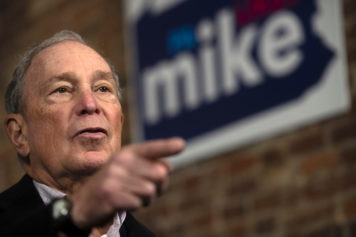
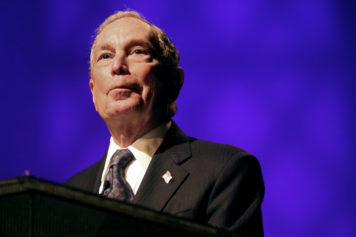
New York City Mayor Michael Bloomberg vowed on Monday to appeal a judge’s ruling that struck down his pioneering ban on large sugary drinks sold by the city’s restaurants, movie theaters and other food service businesses just a day before it was to take effect.
The judge called the ban “arbitrary and capricious” in an 11th-hour decision that dealt a serious blow to Bloomberg, who has made public health a cornerstone of his administration, with laws prohibiting smoking in restaurants, bars and parks; banning trans fats; and requiring chain restaurants to post calorie counts.
At a press conference, Bloomberg said the judge’s ruling was “totally in error” and promised to keep pressing his effort to combat a growing obesity epidemic linked to heart disease and diabetes. He has successfully fought off past court challenges to the smoking ban and the calorie count rule.
“Anytime you adopt a groundbreaking policy, special interests will sue,” Bloomberg said. “That’s America.”
It is unclear whether the case will be resolved by the time Bloomberg’s term expires at the end of this year.
Beverage manufacturers, restaurants and other business groups had called the so-called “soda ban” an illegal overreach that would infringe upon consumers’ personal liberty.
The regulation would have prohibited the city’s food-service establishments from selling sugary drinks larger than 16 ounces (473 ml) starting on Tuesday, though city officials had said they would not begin imposing $200 fines on offending businesses until June.
“People are dying every day,” Bloomberg said. “This is not a joke. This is about real lives.”
But the ban only applied to businesses under the auspices of the health department, since it was the mayor-appointed health board, and not the city council, that approved the policy last fall. That meant that grocery and convenience stores – including 7 Eleven and its 64-ounce Big Gulp – were exempt from the regulation’s reach.
In his ruling, state Supreme Court Justice Milton Tingling in Manhattan zeroed in on the loopholes, noting it would only have applied to businesses that are under the purview of the health department, like restaurants, and would allow sweetened milk-based drinks like milkshakes.
“It is arbitrary and capricious because it applies to some but not all food establishments in the city, it excludes other beverages that have significantly higher concentrations of sugar sweeteners and/or calories on suspect grounds, and the loopholes inherent in the rule … serve to gut the purpose of the rule,” he wrote.
He also expressed concern that to allow the health board such sweeping authority would “eviscerate” the separation of powers between the executive and the legislature branches of city government.
Chris Gindlesperger, a spokesman for the American Beverage Association, which brought the lawsuit on behalf of companies such as Coca-Cola, PepsiCo and Dr Pepper Snapple, said the ruling was a “sigh of relief” for New Yorkers and small businesses throughout the city.
Dawn Sweeney, CEO of the National Restaurant Association, which joined the lawsuit as a plaintiff, said the decision would save thousands of restaurants and suppliers from unnecessary costs…
Read More: reuters.com