Six weeks after the deadly mining massacre in Marakana that killed 34 striking niners, the South African government this week began the official inquiry into the causes of the massacre and to determine who was at fault.
The three-member judicial inquiry was announced by South African President Jacob Zuma in August, tasked with the crucial and politically sensitive job of assigning blame.
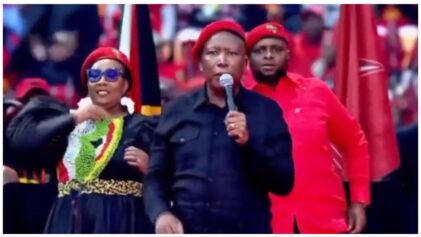
Since the shootings on August 16, the world has been closely watching South Africa, a nation where racial tensions are always bubbling just beneath the surface since the end of apartheid two decades ago. Former African National Congress youth leader Julius Malema has stepped into the void to lead the miners in a quest to push the mining companies into raising their wages. The miners have waged strikes across the nation, crippling the mining industry, a major portion of the South African economy.
Malema, who has become a popular voice for the young and disenfranchised in the country, was arrested last week on charges of money laundering—an arrest he claims is politically motivated by his vocal challenging of Zuma’s authority. Zuma and Malema were former allies until Malema’s ouster from the ANC.
To illustrate the difficult job confronting the commission, when the commissioner members traveled to Marakana yesterday to inspect the site as part of their inquiry, they were met by a large group of protestors carrying printed signs that read “Don’t Let the Police Get Away with Murder.”
Many black South Africans have expressed skepticism about whether the commission, headed by white retired Supreme Court Justice Ian Farlam, will be capable of unearthing the truth.
“We cannot measure your grief or loss,” Farlam said in a statement he read at the beginning of the inquiry. But he said the commission begins its work “in the firm belief and conviction that getting to the truth of what, why and how it happened will be part of the process of healing and restoration.”
The commission is expected to produce a final report in five months.
After the visit to the Marakana site, the commission will begin hearing from the various parties involved in the matter on Wednesday in Rustenberg.