For nearly four decades, Latasha Company has cared for the needs of grieving families. From memorial services to burial needs, she has walked them through every emotional detail of the death of a loved one.
In November, Company will become the first African-American female to open her own funeral service business in Long Beach, the Belmont Heights Funeral Center.
After attending mortician school in the mid-’70s, Company moved to Long Beach where she helped found Long Beach Colonial Mortuary.
“I worked day and night. I did funerals, removals, embalming, dressing of human remains – whatever needed to be done,” she said. “But most of all, I served the community. I get a joy out of what I do because I love people.”
Over the years, Company has made and continues to make her mark in the mortician world. She was the first African-American woman president of the Los Angeles County Funeral Directors Association and will be the first director to have her own crematorium, she said.
“This is a calling that God gave me,” she said. “I have never had to look for a job since 1976.”
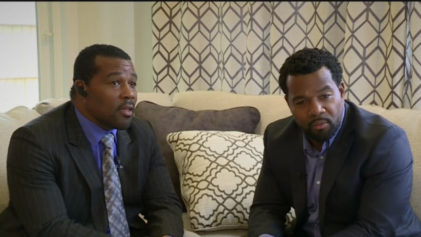
The first goal of the center was to be unique – to be “a place where people come and don’t feel like it’s a mortuary,” said Jonathon Polk, the center’s vice president and general manager.
“Here everything is open, nothing is hidden. It feels just like you are walking into your home, and that’s the feeling we want to have,” he said. “That’s why we don’t call it a mortuary and we don’t say funeral home. It’s a funeral center.”
Absent from the “normal” ambiance: sad organ music and bland decor, Polk said.
“The colors are mellow – it’s a more homey, intimate feeling,” he said. “It helps the customer to be more focused…
Read more: Press Telegram