The striking workers at the South African platinum mine owned by Lonmin showed their displeasure at the latest wage offer in the most dramatic of ways: by burning leaflets explaining the offer in a giant bonfire.
The gesture by the striking miners showed just how much anger the workers have toward their employers in the fifth week of their deadly strike, which thus far has killed 45 people—including 34 of their co-workers killed by police in a bloody massacre at Marakana.
The latest offer by Lonmin PLC falls far short of the $1,560 per month the miners are seeking. Lonmin offered to increase monthly pay for rock drill operators from $1,133 to $1,367. Lonmin also offered a $180 bonus to miners who return to work Wednesday.
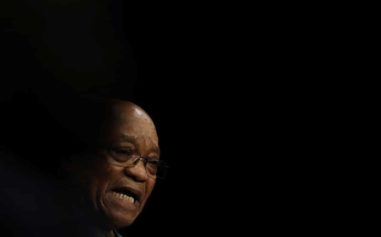
The negotiations are being mediated by the South Africa government, which is extremely eager to see the strikes ended, since the mining industry accounts for 6 percent of the South African economy. The strike has affected a total of eight gold, platinum and chrome mines and has cost the industry 4.5 billion rand ($548 million) in lost output, according to South African President Jacob Zuma.
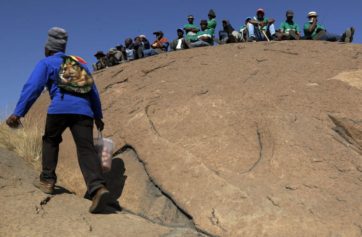
Upon receiving the leaflets explaining the offer, thousands of strikers gathered today at the Lonmin mine stadium and tossed the leaflets into a bonfire.
While Lonmin struggled with negotiations, Anglo American Platinum (Amplats), the world’s largest platinum producer, claimed that it had resumed operations today at four mines, but the claim has not been confirmed.
Workers yesterday scoffed at Amplats’ claim that it would resume work today.
“For us, the reality is that the general strike is on,” Mametlwe Sebei, a Rustenburg community leader and Marxist politician, told Reuters. “We are going to be demonstrating in defiance. We will not be intimidated.”
Sebei claimed Amplats management was “whistling in the dark” if it believed the mines would reopen on Tuesday.
“They can deploy the army, they can be shooting people, shooting old men in their shacks, tear gassing young kids … but let us be clear, there will be repercussions,” he said.