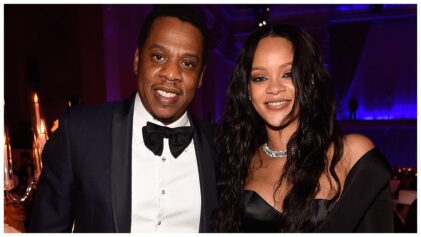
When the developer Bruce Ratner set out to buy the New Jersey Nets and build an arena for them in Brooklyn, he recruited Jay-Z, the hip-hop superstar who grew up in public housing a couple of miles from the site, to join his group of investors.
Mr. Ratner may have thought he was getting little more than a limited partner with a boldface name and a youthful following that could prove useful someday. But Jay-Z’s contributions have dwarfed the $1 million he invested nine years ago. His influence on the project has been wildly disproportionate to his ownership stake — a scant one-fifteenth of one percent of the team. And so is the money he stands to make from it.
Now, with the long-delayed Barclays Center arena nearing opening night in September and the Nets bidding in earnest for Brooklyn’s loyalties, Jay-Z will perform eight sold-out shows to kick things off. But away from center stage he has put his mark on almost every facet of the enterprise, his partners say.
He helped design the team logos and choose the team’s stark black-and-white color scheme, and personally appealed to National Basketball Association officials to drop their objections to it (the N.B.A., according to a person with knowledge of the discussion, thought that African-American athletes did not look good on TV in black, an assertion that a league spokesman adamantly denied). He counseled arena executives on what kind of music to play during games. (“Less Jersey,” he urged, pushing niche artists like Santigold over old favorites like Bon Jovi.)
Read the rest of this article on the Nytimes.com