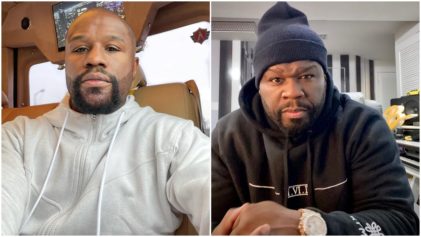
In the last year, Floyd Mayweather Jr. has fought twice and made $85 million. Imagine if he took to the ring more — he’d be even farther ahead on the Forbes list of top-paid athletes.
As it stands, Mayweather, who is serving an 87-day stint in a Las Vegas jail for a domestic charge, is doing just fine, thank you. He tops Forbes annual list by maximizing his earnings by also acting as his own fight promoter through his company Mayweather Promotions. He collects all of the revenue from tickets, pay-per-view and sponsorships and covers the costs, including the purse for his opponent. His take home per fight is typically at least 50% higher than what his rival, Manny Pacquiao, earns.
Amazingly enough, being a wildly polarizing figure doesn’t seem to have hurt his earnings. He charmed old ladies as a contestant on Dancing with the Stars in 2007 and provoked outrage with his racially charged, hate-filled rant against Pacquiao in 2010. His antics create buzz, and the result is both boxing fans and people who are normally indifferent to the sport pay up for his bouts. He has been a part of the four biggest non-heavyweight PPV events in boxing’s history. The Cotto fight generated $94 million in PPV receipts.
Pacquiao ranks second with earnings of $62 million. Over the past 12 months he fought Juan Manuel Marquez and Tim Bradley. The bouts netted him $56 million, including money he gets from their broadcast in the Philippines. He also made an estimated $6 million over the past year outside the ring through endorsements with Nike, Hewlette-Packard, Monster Energy and Hennessy.
Tiger Woods, who has been the top-earner since 2001, fell to third this year with earnings of $59.4 million. For the complete list, visit www.forbes.com.