As the release date approaches for its new BlackBerry 10 operating system and devices, Research In Motion will need to create a niche in an increasingly competitive cell phone market.
As of now, the BlackBerry 10 hopes to usurp the Windows Phone as a distant third place in the smartphone OS race. Microsoft’s devices are on par with the front running iOS and Android devices in terms of capability, but the company’s own lack of support for proposed features has held the Windows Phone back. RIM’s new BlackBerry will have a lot to prove as it tries to play catch up with the current market.
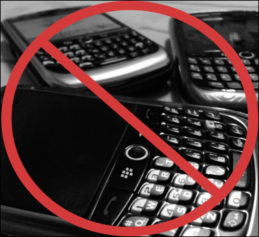
The original BlackBerry models were business staples, during a time when access to basic email and data alone made it a standout. RIM stood by the same tried and true design for years, offering some variations such as the touch screen BlackBerry Storm. Many customers simply moved on from the BlackBerry to more advanced smartphones while RIM fell behind. Currently, only the most loyal of customers have kept their BlackBerry beside them, even after suffering through last years service outages.
With the release of the BlackBerry 10 OS, RIM will be forcing a fresh start, as even BlackBerry 7 users will not be able to upgrade to the new operating system. For RIM, the quest to take back a piece of the mobile device pie starts with establishing itself ahead of the Windows Phone as a contender. The golden age of the original BlackBerry may be over, but there still must someone out there, somewhere, still using BBM until RIM releases a new phone.